

Fashion has always been more than fabric draped across the body. It is a language, a form of persuasion, and at times, a shield. Among the many stylistic movements that have shaped the last century, power dressing stands out as one of the most symbolic. Once associated with padded shoulders and corporate boardrooms of the 1980s, it has undergone a dramatic transformation. Today, chic power dressing has shifted into something far more versatile, creative, and confident. It has become a way for individuals—especially women—to express authority without surrendering style, to communicate capability without muting personality.
This essay explores the evolution of chic power dressing, from its origins in formal workwear to its current fluid, dynamic role in modern fashion, where confidence and individuality are as crucial as tailoring.
Origins: Power Dressing as Armor
To understand the current face of chic power dressing, we must look back to its birth. The term “power dressing” rose to prominence in the 1970s and 1980s, during a time when women were entering corporate and political spaces in unprecedented numbers. Clothing became a tool of assimilation in male-dominated environments. Sharp blazers, broad shoulders, and subdued palettes were intended to project authority while downplaying femininity.
For many women, these suits were more than garments; they were armor. The cut of a jacket or the presence of shoulder pads created a silhouette that mirrored the established image of authority—the male suit. This blending of masculine elements with female presence was revolutionary at the time. Power dressing said: “I belong here, and I will be heard.”
Yet while the 1980s version of power dressing broke barriers, it also imposed limits. Women often had to sacrifice personal style or softness in favor of rigid codes of professionalism. Confidence was projected, but at the expense of individuality.
Chic Enters the Picture
As societal attitudes evolved in the late 1990s and early 2000s, so did fashion. The notion that professionalism had to mimic masculinity began to erode. Designers like Donna Karan and Giorgio Armani reimagined the suit, softening its edges while keeping its structure. Suddenly, power dressing could be chic—it could balance elegance and authority.
This was the birth of chic power dressing: clothing that empowered the wearer not just by imitating traditional symbols of strength but by embracing confidence as something uniquely personal. Skirts, dresses, and vibrant colors could now be part of the power wardrobe. High heels, once considered merely decorative, became emblems of presence. Jewelry shifted from subtle accents to deliberate statements.
The message had changed. Confidence was no longer about fitting in; it was about standing out on one’s own terms.
Confidence as the New Silhouette
In today’s world, chic power dressing transcends the office. It has become a lifestyle choice, adaptable to multiple environments—from boardrooms to creative studios, from political podiums to social gatherings. What unites these expressions is not a rigid uniform but a shared ethos: the ability to wear clothes that amplify confidence.
The silhouette of chic power dressing is not defined solely by tailoring anymore. It is defined by how garments make the wearer feel. For some, this may mean a sharply cut monochrome pantsuit; for others, a bold patterned dress paired with sleek boots. The range is vast, but the core is the same—style as a projection of inner certainty.
This shift reflects a broader cultural change. Confidence is no longer measured by how well one hides within conventions but by how comfortably one embodies individuality. In this sense, chic power dressing is less about clothing itself and more about the psychology of style.
The Role of Fabric, Color, and Detail
Chic power dressing thrives on details that once would have been dismissed as frivolous. Fabrics are carefully chosen to balance structure with movement—wool blends that hold their shape, silks that flow, and sustainable textiles that reflect modern values. Color has become a crucial tool in communicating personality.
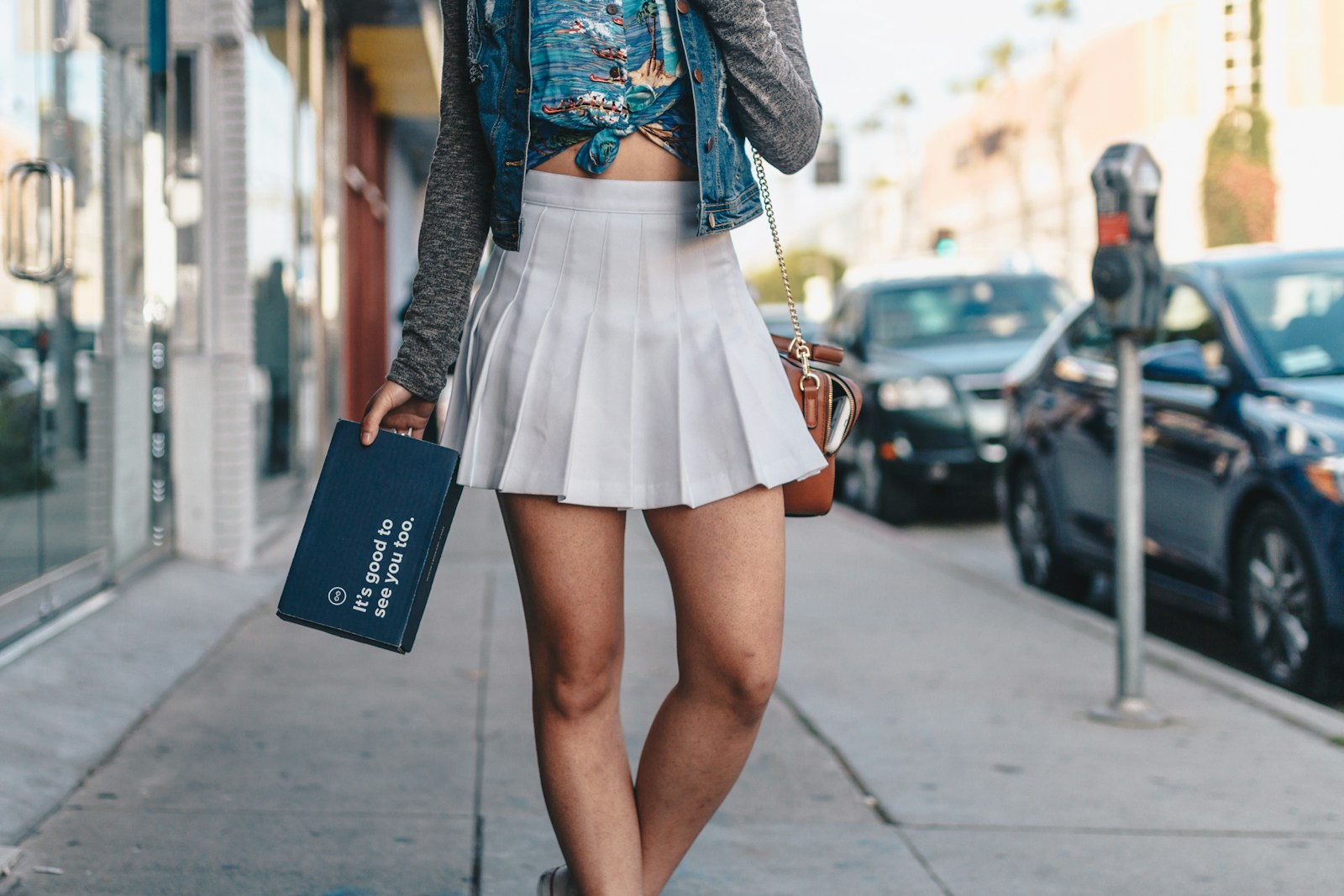
Where early power dressing clung to navy, black, and gray, the modern version embraces jewel tones, pastels, and even neon highlights. A crimson suit says bold determination; a soft blush dress paired with a blazer radiates understated authority. Patterns, once avoided for fear of seeming unprofessional, now signal creativity and confidence. Leopard print heels or a striped scarf can be statements of individuality within the frame of power.
Accessories play a subtle but vital role. A minimalist leather bag suggests discipline and focus, while a chunky gold necklace might hint at ambition paired with flair. These finishing touches personalize the uniform of power dressing, ensuring that it is never one-size-fits-all.
Beyond Gendered Boundaries
Another defining characteristic of chic power dressing in the modern era is its fluidity across gender lines. Where once power dressing was largely associated with women adapting masculine codes, today it has expanded into an inclusive space.
Men are also embracing chic reinterpretations of authority through fashion—experimenting with colors, fabrics, and silhouettes that challenge old stereotypes. The slim-cut suit paired with sneakers, or the bold patterned blazer worn without a tie, reflects the same ethos of chic confidence. Nonbinary and gender-fluid individuals, too, have redefined power dressing, blending traditionally masculine and feminine elements into ensembles that radiate self-assurance.
The message is clear: confidence has no gender, and neither should its wardrobe.
Influence of Culture and Media
The rise of chic power dressing cannot be separated from cultural influence. Television series like Suits and Scandal showcased women in commanding yet fashionable attire, reshaping public perceptions of what professionalism could look like. Celebrities and public figures—Michelle Obama, Zendaya, Harry Styles—have used clothing as a stage for expressing empowerment while challenging outdated norms.
Social media has amplified these shifts. Platforms like Instagram and TikTok allow individuals to showcase their own interpretations of chic power dressing, often mixing thrifted finds with designer pieces. This democratization of style has made the look more accessible, proving that confidence is not confined to luxury price tags.
Chic Power Dressing as Self-Care
Perhaps the most profound evolution is the recognition of dressing with confidence as a form of self-care. Clothing impacts psychology. The concept of “enclothed cognition” suggests that what we wear influences how we think and act. A perfectly fitted suit or an elegant dress can boost posture, sharpen focus, and elevate mood.
Chic power dressing, therefore, is not just about how others perceive us but about how we perceive ourselves. It is an act of self-affirmation, a reminder each morning that one is capable, prepared, and stylish. For many, this ritual of dressing well becomes as essential as a morning coffee—it is the fuel that powers confidence throughout the day.
Looking Forward: The Future of Chic Power Dressing
As workplaces evolve into hybrid and remote formats, chic power dressing will continue to adapt. In many cases, the emphasis has shifted from rigid office wear to smart versatility—blazers paired with denim, silk blouses on video calls, or statement earrings that carry authority even through a webcam.
Sustainability will also play a major role. Conscious consumers are demanding wardrobes that are not only stylish and empowering but also ethical. Renting, thrifting, and investing in timeless pieces rather than fast fashion are becoming central to the ethos of chic power dressing. Confidence, after all, shines brighter when aligned with values.
Technology, too, is reshaping the landscape. Digital fashion and virtual styling tools allow people to experiment with confidence-driven looks before committing, making chic power dressing even more customizable.