


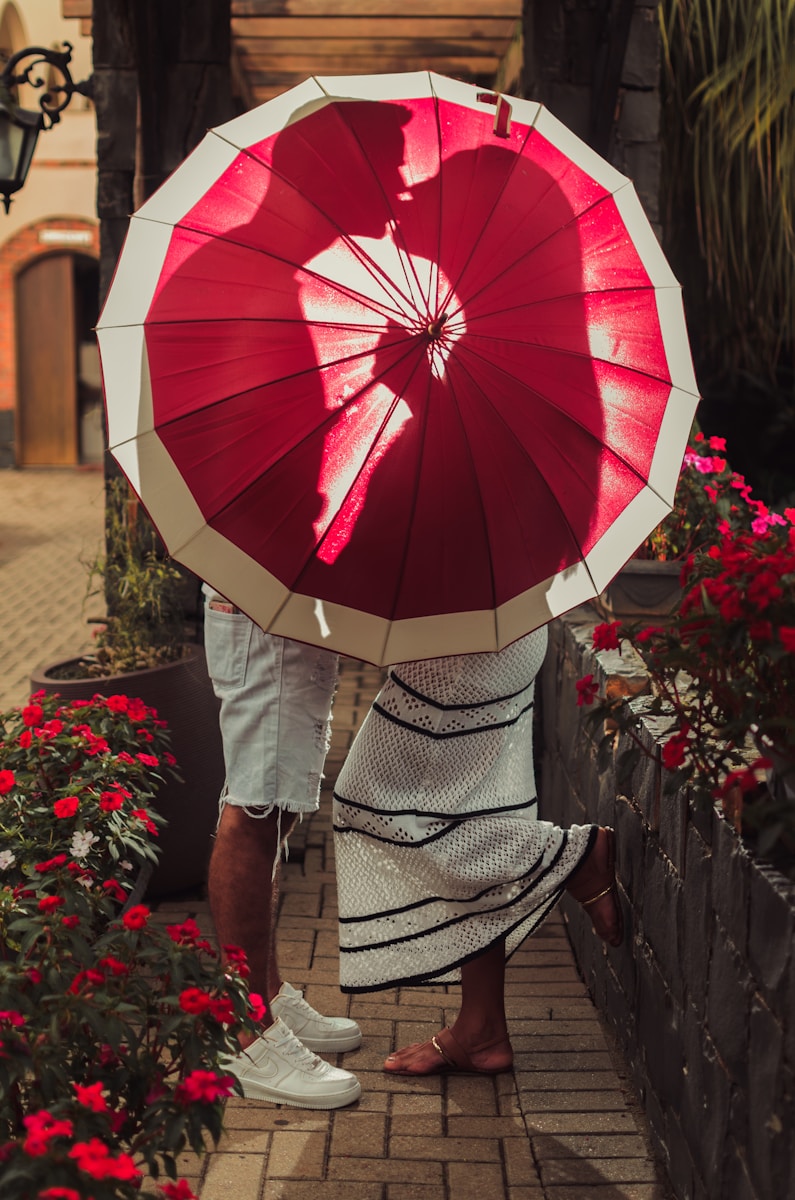
Fashion has always been a mirror of cultural change, a way of signaling shifts in how we view identity, authority, and beauty. In 2025, one of the most striking shifts in style and culture is the rise of “the new femininity.” No longer bound to outdated stereotypes or one-dimensional images, femininity is being recast as a force—fluid, diverse, and unapologetically powerful. At the same time, the idea of chic power has matured into something less about polish alone and more about confidence, choice, and innovation. When these two forces intersect, we find a vision of femininity that is not only modern but also transformative.
Breaking Away from the Old Archetypes
For decades, femininity was often reduced to narrow categories: the demure housewife, the sultry seductress, the delicate ingénue. Each archetype, while iconic, boxed women into costumes that spoke more to society’s expectations than to personal truth. Power, meanwhile, was frequently depicted in masculine terms—structured suits, minimal makeup, and a deliberate rejection of softness.
But as culture has shifted, so too has the understanding of identity. Feminists of earlier generations fought for the right to reject these roles; today’s movement is about the right to embrace, remix, or redefine them. Femininity no longer equates to weakness, and power no longer requires women to deny softness. Instead, femininity in 2025 thrives in contradiction—it is fluid, bold, playful, and above all, self-defined.
Chic Power: Style as Self-Expression
Chic power in 2025 is not about following trends blindly, but about creating an aesthetic that is deliberate and personal. To be chic today is to have control over one’s narrative. A woman can wear a tailored blazer over wide-legged trousers to a boardroom in the morning, then slip into a shimmering dress for an evening event—and both choices radiate power.
The new chic is less about excess and more about precision. Minimalist silhouettes with a twist, statement accessories that tell a story, and colors chosen for mood rather than tradition reflect a confidence that comes from within. Clothes, in this sense, become tools of empowerment—armor, expression, and liberation rolled into one.
Femininity in Motion: Fluidity Across Identities
Another defining feature of femininity in 2025 is its inclusivity. It no longer belongs to one gender or body type. People across the spectrum embrace elements of femininity, whether through clothing, gestures, or emotional expression. Men in fluid tailoring, non-binary individuals in skirts, and women in androgynous streetwear all reflect a world where femininity is no longer locked into biology or tradition.
This fluidity expands the meaning of chic power. Power doesn’t come from imitating masculine forms, but from embracing multiplicity. An outfit that combines lace with combat boots, or a sharp tuxedo jacket with a silk camisole, illustrates how femininity today thrives in hybridity.
The Return of Detail: Craft and Care
While the past decade saw an explosion of fast fashion, 2025 has brought a counter-trend: a return to craftsmanship. The new femininity values details—hand-stitched embroidery, sustainable fabrics, and timeless tailoring. This emphasis on quality over quantity reflects a broader cultural shift toward mindfulness and sustainability.
Accessories also play a key role. Chic power is often communicated through small but striking details: a pair of sculptural earrings, a vintage handbag with a story, or a sleek watch that balances elegance and function. These choices reflect not only aesthetic taste but also values—care, intentionality, and respect for artistry.
Power Dressing Reimagined
In the 1980s, “power dressing” meant shoulder pads, dark suits, and an adoption of masculine codes to gain authority. By contrast, in 2025, power dressing is about authenticity. It can mean a floor-length silk dress paired with bold sneakers, or a crisp suit in pastel pink instead of navy. It’s about owning space without apology.
Importantly, this redefinition also challenges workplace culture. Women and feminine-presenting individuals no longer feel compelled to mute their identity to succeed. Power dressing in 2025 is less about blending in and more about standing out—whether through color, texture, or silhouette.
Technology and Femininity: The Digital Aesthetic
Technology, too, has shaped this new vision of chic femininity. The rise of virtual fashion, AR-enhanced runways, and AI-generated designs has expanded possibilities. Digital platforms showcase not just physical outfits but also avatars in fluid, fantastical forms of femininity that push beyond traditional categories.
This virtual experimentation trickles back into real life. Metallic fabrics, holographic accessories, and bold futuristic cuts have entered mainstream fashion. The digital aesthetic aligns perfectly with the new femininity: boundaryless, experimental, and unafraid of reinvention.
Cultural Icons of 2025
Culture often crystallizes abstract ideas through icons. In 2025, global figures embody this new femininity in diverse ways:
Musicians who perform in sequined gowns one night and oversized streetwear the next.
Actors who embrace fluid fashion on the red carpet, rejecting outdated gender binaries.
Political leaders who balance elegance with pragmatism, showing that power can wear pearls just as easily as pinstripes.
These icons demonstrate that femininity is not confined to aesthetics—it is a philosophy of openness, resilience, and adaptability.
Beyond Fashion: Emotional and Intellectual Femininity
The conversation around the new femininity also extends beyond style. Emotional intelligence, empathy, and collaboration—qualities often dismissed as “soft”—are being recognized as essential forms of power in leadership and innovation. In business, leaders who embody these traits are celebrated rather than sidelined. In relationships, emotional openness is reframed as strength.
This revaluation of “soft power” is what makes femininity in 2025 so radical. Chic power is not only about appearance but about the integration of intellect, emotion, and presence.
The Role of Intersectionality
It would be incomplete to discuss new femininity without acknowledging intersectionality. The experiences of femininity differ across race, culture, class, and ability, and 2025 is marked by greater awareness of this diversity. For example, Black femininity in fashion highlights natural hair and Afro-futurist aesthetics, while Asian designers blend traditional silhouettes with modern streetwear.
Chic power today is about amplifying these diverse voices rather than enforcing one global standard of beauty. This inclusivity makes femininity not just new, but revolutionary.
Why 2025 Matters
Why emphasize this shift in 2025? Because we are at a crossroads where cultural, technological, and environmental changes converge. The pandemic years reshaped how we view comfort and practicality in clothing. Climate awareness demands sustainable fashion. Social media redefined beauty standards, while younger generations insist on inclusivity.
The new femininity and chic power of 2025 represent not just a fashion trend, but a cultural recalibration—a recognition that power can look like sequins, sneakers, or anything in between, as long as it is chosen with intention.