


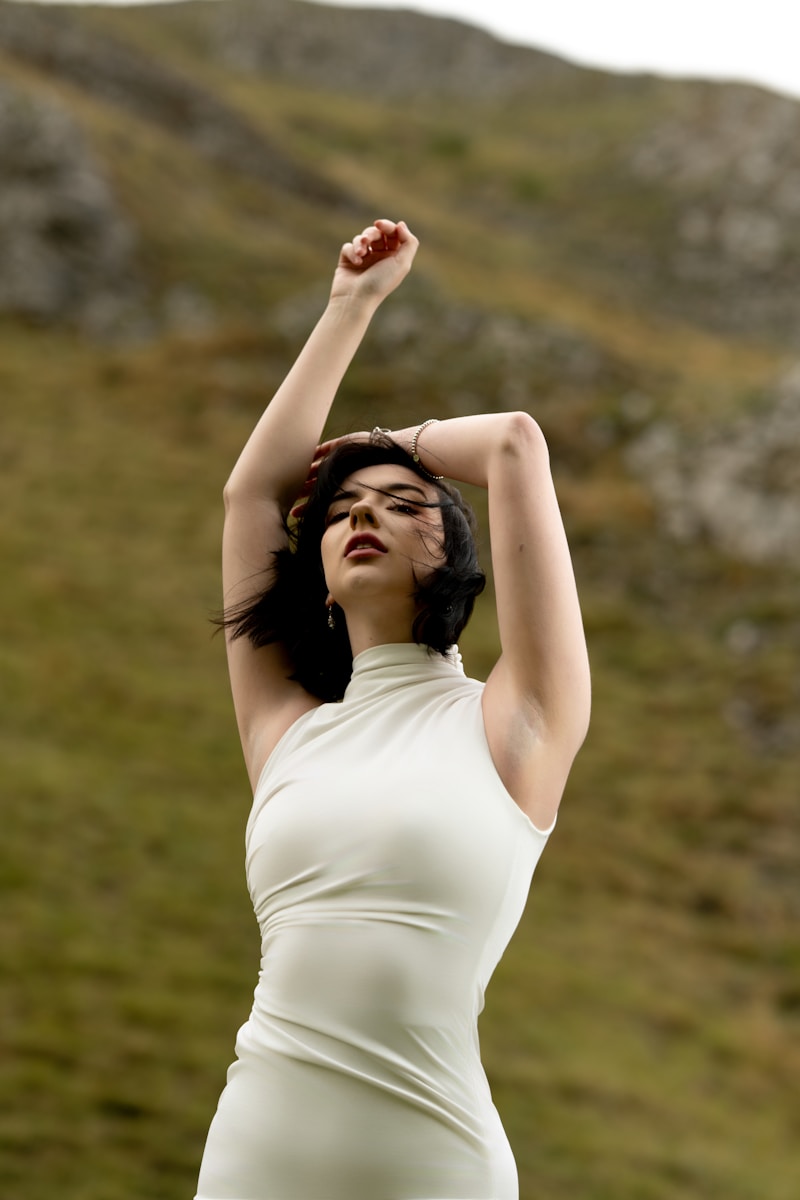
Fashion is, at its heart, a form of architecture for the body. Every stitch, seam, and silhouette is a deliberate choice shaping how fabric interacts with form and how people interact with the world. In recent decades, one of the most enduring stylistic philosophies has been the emphasis on sleek lines. Clean, elongated silhouettes dominate contemporary wardrobes not simply for their aesthetic appeal, but because they carry within them an ethos of modernity, restraint, and timeless sophistication. Sleek lines are not just about looking streamlined—they represent clarity in design, intentionality in movement, and the quiet confidence of less becoming more.
This essay explores how sleek lines define contemporary fashion today, from their roots in minimalism to their influence on everything from tailoring to athleisure. It also considers why sleek design resonates so strongly with modern sensibilities and how it continues to evolve in response to cultural and technological shifts.
From Minimalism to Modernity
The idea of sleek lines in fashion cannot be separated from the minimalist movement that gained traction in the late 20th century. Designers such as Calvin Klein, Jil Sander, and Helmut Lang stripped away excess ornamentation, focusing instead on clean cuts, neutral palettes, and form-flattering silhouettes. Their work was a rebellion against the maximalist exuberance of the 1980s, offering instead a kind of sartorial quietude.
Minimalism turned sleek lines into a language of subtle authority. A sharply tailored black dress, a straight-leg trouser, or an unfussy trench coat became emblematic of a modern mindset—confident, pragmatic, and sophisticated without fanfare. The design was less about decoration and more about precision: how the seam runs along the body, how a collar frames the face, how proportion creates harmony.
This philosophy seeped into the DNA of contemporary fashion. Even in today’s era of eclecticism—where bold prints, retro revivals, and maximalist styling enjoy their moments—the pull of sleek, streamlined design remains undeniable.
The Power of the Line
What makes sleek lines so compelling? At its core, the line is one of design’s most fundamental elements. In fashion, it directs the eye, sculpts the silhouette, and defines movement. Vertical lines elongate, suggesting height and poise. Horizontal lines convey stability and groundedness. Diagonal and asymmetric lines introduce dynamism, breaking monotony while still maintaining coherence.
The beauty of sleek lines lies in their adaptability. A bias-cut slip dress uses the line to emphasize natural curves with fluidity, while a sharply tailored blazer deploys the line to suggest control and discipline. Both are “sleek,” yet they communicate different moods. This versatility explains why sleek lines have found a home in so many fashion contexts, from haute couture runways to everyday streetwear.
Tailoring and the Pursuit of Precision
Perhaps no aspect of fashion demonstrates the art of sleek lines better than tailoring. A well-cut suit is essentially a masterclass in line management. Every dart, lapel, and hem contributes to an impression of polish. Contemporary tailoring often emphasizes slim silhouettes, refined cuts, and monochrome palettes, favoring elegance over extravagance.
Designers like Phoebe Philo during her tenure at Céline, or more recently Daniel Lee at Bottega Veneta, have leaned heavily on sleek tailoring as a way of marrying tradition with modern ease. Their work underscores the idea that a sleek line is not rigid but alive—it adapts to the natural movement of the wearer while maintaining structure. The result is clothing that feels both commanding and comfortable, chic yet understated.
Sleekness in Everyday Wear
What makes sleek lines so powerful in contemporary fashion is their translation beyond the formal. The philosophy has influenced casual wear, sportswear, and even athleisure. Think of leggings with contouring seams that lengthen the leg, or sneakers designed with clean profiles instead of bulky shapes. Sleek lines, when incorporated into everyday wear, lend a sense of effortlessness—an outfit can feel both relaxed and elevated when streamlined design is at play.
Even denim has embraced sleekness. Slim fits, high-rise cuts, and minimal distressing reflect a shift toward restraint. Accessories follow the same path: handbags with geometric structure, eyewear with crisp frames, and jewelry favoring minimal forms over intricate ornamentation.
This wide adoption proves that sleek design has become a kind of visual shorthand for “modern.” It communicates competence, adaptability, and elegance without needing embellishment.
Technology Meets Design
The rise of sleek lines in fashion has also been accelerated by technology. Innovations in fabric production, laser cutting, and seamless knitting allow designers to craft garments with unparalleled precision. Sportswear brands have especially leveraged technology to produce streamlined silhouettes that enhance performance while also appealing to style-conscious consumers.
At the same time, 3D design tools and digital fashion platforms have encouraged designers to experiment with line in entirely new ways. Virtual clothing often emphasizes hyper-sleek forms, smooth surfaces, and gravity-defying drapery, highlighting how central sleekness is to futuristic fashion imagination.
Cultural Resonance: Why Sleek Lines Speak to Us
The cultural pull of sleek lines reflects broader societal desires. In an age marked by rapid change, information overload, and visual clutter, sleek design offers a sense of clarity and focus. To wear sleek lines is to align with a philosophy of control, simplicity, and confidence.
Moreover, sleekness signals timelessness. While bold prints or exaggerated silhouettes may come and go, clean lines rarely feel out of place. They offer longevity in wardrobes, aligning with the growing movement toward sustainable, mindful consumption. Choosing a streamlined coat or a simple silk blouse is not just a style preference but often an investment in durability—both material and aesthetic.
The Gender-Neutral Dimension
Sleek lines also play a role in the blurring of gender boundaries in contemporary fashion. Their minimalism makes them adaptable across identities. Straight trousers, crisp shirts, and long coats, for instance, exist outside of rigid gender coding, allowing individuals to style them in ways that feel authentic to their expression.
The gender-neutral potential of sleek lines has fueled their popularity among younger generations who value fluidity in identity and presentation. In this sense, sleek design is more than aesthetic—it is a tool of inclusivity.
When Sleek Meets Statement
While sleek lines thrive on restraint, they also provide the perfect canvas for experimentation. A sleek base allows one daring element—a bold accessory, a bright color, or an unconventional texture—to shine without overwhelming the look. Designers often use streamlined silhouettes to anchor otherwise avant-garde ideas, ensuring that fashion remains wearable while still pushing creative boundaries.
This interplay between sleek and statement reflects the contemporary desire for balance: the ability to stand out without appearing excessive, to be modern without losing personality.
Looking Ahead: The Future of Sleekness
The art of sleek lines will undoubtedly continue to shape fashion’s future. As sustainability pressures grow, consumers are seeking timeless pieces with longevity, and sleek designs naturally align with this demand. Furthermore, as digital environments evolve, sleekness will likely remain central to the aesthetics of virtual fashion, where clean geometry and futuristic silhouettes dominate.
Yet sleek lines are not static. They will continue to evolve with fabric innovation, cultural shifts, and shifting ideas of body politics. Already, designers are experimenting with curved, fluid lines that challenge traditional straight silhouettes, proving that sleekness does not always mean severity—it can also mean organic softness.