


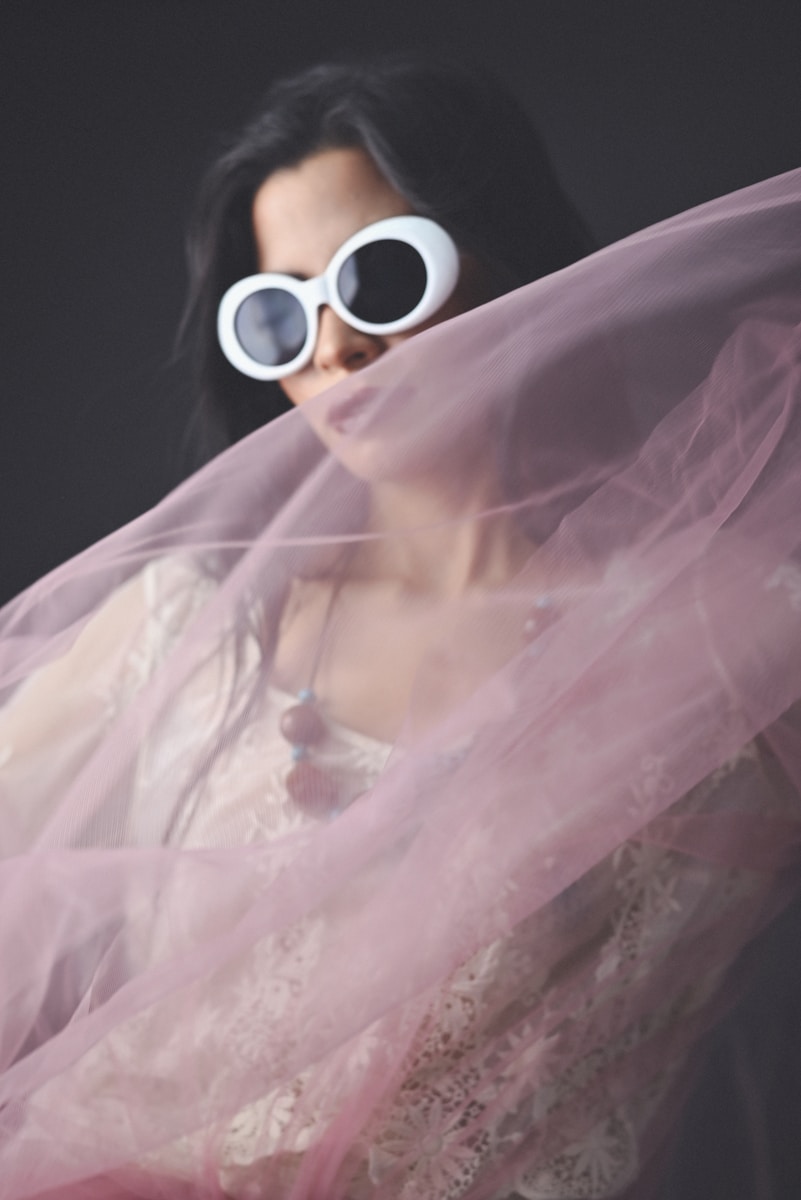
Fashion has always been more than what we see; it is also what we feel. Beyond color, cut, or silhouette, there is an element of touch that defines our relationship to clothing. Velvet brushing the skin on a winter night, silk gliding effortlessly in the heat of summer—these tactile experiences are as much about emotion as they are about material. In 2025, as fashion embraces both timeless craftsmanship and sustainable innovation, two fabrics continue to symbolize luxury more than any others: velvet and silk. Together, they reveal how texture itself has become a staple of modern elegance.
The Emotional Power of Texture
Before diving into specific fabrics, it is worth asking: why do textures captivate us? The answer lies in psychology as much as aesthetics. Fabrics are sensory experiences, reminders of comfort, intimacy, and even status. Smooth textures calm us, plush ones envelop us, and shimmering ones captivate the eye. Texture communicates in ways prints and cuts cannot—it whispers of refinement or boldness before we even process the design.
Luxury, then, is not only about rarity but about feeling elevated through touch. This is why velvet and silk, with their unique tactile qualities, remain staples across centuries.
Velvet: Depth, Warmth, and Drama
Velvet has always been a fabric of grandeur. In the Renaissance, it was reserved for nobility, woven in deep crimsons, royal blues, and forest greens. Its plush surface captured light in ways that made garments appear to glow from within. Centuries later, velvet retains that drama.
In modern fashion, velvet offers versatility. A velvet blazer in midnight black transforms a simple outfit into eveningwear. A velvet gown carries cinematic glamour, recalling red carpets and candlelit ballrooms. Even in casual settings, a velvet camisole or skirt adds instant richness.
What makes velvet special is its depth of texture. Unlike flat fabrics, it shifts with light, appearing almost alive. This makes it a natural choice for occasions where presence matters. Velvet is not subtle—it demands attention, and that is precisely its charm.
Silk: Fluidity, Lightness, and Grace
If velvet is dramatic, silk is poetic. Its history stretches back thousands of years, originating in China and spreading along ancient trade routes. Silk has always been associated with delicacy, refinement, and exclusivity. Unlike velvet’s plush heaviness, silk seduces through fluidity.
Silk dresses and blouses flow with the body, catching movement in a way few fabrics can. Its natural sheen makes it luminous, while its softness against skin elevates even the simplest silhouette. A silk scarf draped loosely over the shoulders can transform an outfit; a silk slip dress embodies effortless sensuality.
Part of silk’s allure lies in its contradictions. It is strong yet delicate, minimal yet indulgent, practical in warm weather yet decadent in form. Silk is the epitome of quiet luxury—a fabric that does not shout but mesmerizes.
Velvet and Silk: Opposites That Complement
The interplay between velvet and silk demonstrates why both remain essential staples of luxe fashion. Velvet offers weight and structure, silk brings fluidity and air. Together, they create balance: one grounding, the other freeing.
Consider a velvet blazer layered over a silk blouse. The plush texture of the jacket contrasts with the sheen of the silk, creating dimension without excess. Or imagine a velvet skirt paired with a silk camisole: the richness of velvet anchors the airy delicacy of silk, producing a look that feels layered and intentional.
This pairing also represents the duality of modern femininity (and indeed, modern identity at large): strength and softness, drama and grace, boldness and restraint.
Luxe Textures in Everyday Wear
What makes velvet and silk particularly relevant in 2025 is how they have moved beyond special occasions into everyday wardrobes. Where once they were confined to evening gowns or ceremonial attire, designers now experiment with ways to bring luxe textures into casual contexts.
Velvet trousers paired with crisp white shirts add a touch of glamour to office wear.
Silk midi skirts styled with sneakers and oversized knits create an effortless, modern uniform.
Velvet handbags or shoes provide richness without requiring a full look.
Silk scarves double as head wraps or belts, integrating into street style.
The democratization of luxe textures signals a cultural shift: luxury is no longer about rarity alone but about everyday elevation.
Color Stories in Velvet and Silk
Texture and color work hand in hand. Velvet, with its light-absorbing pile, intensifies deep shades—burgundy, emerald, sapphire. Silk, on the other hand, amplifies light tones and pastels, from champagne to blush pink, making them glow.
Modern designers exploit this contrast. Velvet gowns in jewel tones dominate winter collections, while silk dresses in muted neutrals rule spring runways. When combined, the effect is striking: imagine an emerald velvet blazer layered over a cream silk blouse, or a blush silk gown accented with a deep velvet sash. These combinations are not only visually rich but emotionally resonant—luxury that feels alive.
Cultural and Symbolic Meanings
Velvet and silk also carry symbolic weight. Velvet has long been associated with power and authority, worn by monarchs and popes. Today, it continues to convey strength and presence. Silk, conversely, symbolizes sensuality and delicacy, often linked with intimacy and romance.
In modern fashion, these associations are reimagined. Power dressing is no longer confined to sharp tailoring; a velvet blazer on a woman in a boardroom makes as strong a statement as a pinstripe suit. Similarly, silk is no longer relegated to the boudoir. A silk button-down, styled with jeans and loafers, carries everyday sophistication.
Together, these fabrics challenge old categories. They remind us that power can be soft, and sensuality can be strong.
Sustainability and the Future of Luxe Textures
One of the challenges facing velvet and silk today is sustainability. Traditional silk production has raised ethical concerns, leading to the rise of alternatives like peace silk (made without harming silkworms) and plant-based “silk” innovations. Similarly, velvet now appears in eco-friendly versions made from recycled fibers rather than synthetic blends.
This shift toward sustainable luxe textures ensures their relevance in the modern wardrobe. Consumers who once reserved these fabrics for rare moments now see them as investments in lasting quality. A silk blouse, if well cared for, can last decades. A velvet coat becomes a timeless heirloom. Sustainability aligns perfectly with the ethos of luxury: fewer pieces, but better ones.
Icons of Velvet and Silk
Cultural icons across eras have demonstrated the enduring allure of these fabrics. Think of Hollywood starlets in 1930s silk gowns, or 1970s rock musicians draped in velvet jackets. More recently, red carpet moments—from Rihanna’s sculptural velvet gowns to Zendaya’s flowing silk dresses—prove their timelessness.
But perhaps most telling is how these textures appear off-stage. A simple silk scarf tied into Audrey Hepburn’s hair, or a velvet blazer worn casually by Harry Styles, show that luxury textures don’t need spectacle—they carry innate charisma.
Beyond Fashion: Velvet and Silk in Interiors
The appeal of velvet and silk extends into interiors as well. Velvet sofas or curtains create warmth and drama in living spaces, while silk bedding or cushions provide quiet luxury. Just as in fashion, these fabrics transform ordinary environments into experiences, proving that luxe textures are universal symbols of refinement.