

Fashion has always thrived on contrasts—between old and new, simple and extravagant, soft and structured. But in recent years, the runway has revealed a different kind of shift: a turn toward texture as the true marker of luxury. More than prints, cuts, or even color, it is the dominance of luxe textures that has taken center stage. Velvet that glimmers under stage lights, silks that catch the air with every stride, exaggerated faux fur, glistening sequins, and buttery leathers—these tactile elements have become the new language of high fashion.
The rise of texture domination suggests that luxury is no longer just about logos or labels. Instead, it is about how clothing feels, moves, and transforms both the wearer and the observer. This essay unpacks how luxe textures have redefined modern fashion, why they carry such power, and how the runway has become their ultimate stage.
From Surface to Substance
For decades, fashion focused heavily on silhouettes and patterns. The “little black dress” was iconic not because of its texture but because of its simplicity. Streetwear, too, built its reputation on logos and graphics rather than materials. But as consumers began seeking more depth in their wardrobes, texture returned to the spotlight.
Luxury is tactile by nature. A cotton T-shirt can be fashionable, but a cashmere sweater embodies indulgence. A polyester blazer might look sharp, but a wool crepe version signals refinement. By emphasizing texture, designers invite audiences to feel as much as they see. On the runway, where garments are meant to captivate from a distance, textures add dimension, catching light and movement in ways flat fabrics cannot.
The Psychology of Texture
Texture is powerful because it engages memory and sensation. Velvet recalls opulent drawing rooms, silk whispers of intimacy, sequins evoke celebration. Humans connect with materials instinctively—running hands across soft fabrics, pausing at rougher weaves. This physical relationship to fabric adds emotional resonance to fashion.
Wearing textured garments changes behavior. A person in a leather jacket might stand taller, exuding edge. A silk gown encourages fluidity, a kind of glide in movement. Texture amplifies confidence, shaping not just appearance but posture, presence, and mood. This is why runway shows increasingly rely on texture to communicate narrative—it reaches audiences at a visceral level.
The Runway as a Playground of Texture
The runway has always been a theater, but luxe texture has transformed it into a tactile fantasy. Designers like Balmain, Fendi, and Prada push materials into the spotlight with architectural furs, quilted satins, and jewel-toned velvets. Instead of merely cutting new shapes, they layer contrasting surfaces—smooth against rough, matte beside shine.
Recent seasons have showcased dramatic examples: shearling over metallic lamé, chiffon layered under crystal mesh, and feathers paired with sharp tailoring. This domination of texture creates a sensory overload, reminding us that fashion is as much about feeling as it is about seeing. Even through photographs or livestreams, textures communicate luxury by amplifying depth.
Luxe Texture Beyond the Runway
While high fashion thrives on spectacle, luxe textures are not limited to couture. They have filtered into ready-to-wear and even street fashion. Faux fur coats dominate winter streetscapes, velvet loafers appear in casual offices, and textured knits reinvent basics.
This diffusion reflects broader cultural desires. In an age of fast fashion and disposable clothing, consumers crave garments that feel special, weighty, or lasting. Texture delivers that. A simple outfit elevated with a statement piece—like a jacquard jacket or sequined clutch—bridges everyday wear with runway glamour. Luxe texture, in this sense, democratizes luxury without diluting its impact.
Cultural Symbolism of Texture
Each texture carries symbolic weight.
Velvet – Long associated with royalty and exclusivity, velvet on the runway signals opulence. Its sheen evokes candlelit halls and centuries of grandeur.
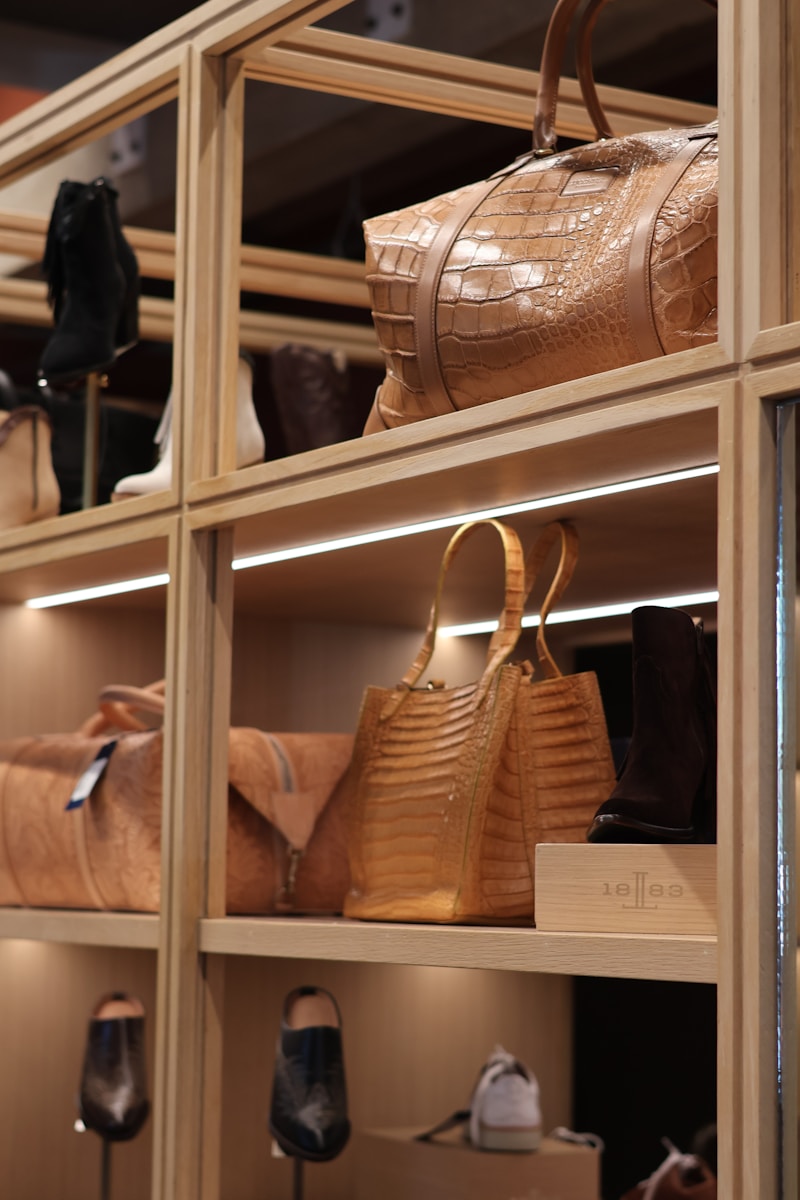
Leather – Beyond function, leather conveys rebellion and power. On runways, it transforms into sleek dresses or oversized coats, blurring the line between toughness and elegance.
Sequins and Crystals – Once reserved for evening wear, sequins now appear on daytime outfits. They symbolize visibility, unapologetic celebration, and in some contexts, liberation.
Silk and Satin – Timeless and sensual, silk brings intimacy into public view. Flowing gowns and slinky dresses highlight its power to transform vulnerability into strength.
Faux Fur and Feathers – With ethical considerations reshaping fashion, faux alternatives dominate. These textures maintain drama and flamboyance while aligning with modern values.
Through these materials, fashion tells stories of heritage, rebellion, and reimagined luxury.
Texture as Performance
Fashion is always performative, but luxe textures heighten this theatricality. They change under light, alter sound, and enhance movement. Sequins shimmer under a spotlight; silk sways with each step; leather creaks with presence. On the runway, models don’t just walk—they perform, and texture becomes the script.
This performative power explains why textures dominate editorial shoots and red-carpet moments. Photographs flatten color but accentuate dimension, and textures carry luxury across the lens. Audiences may not touch, but they can imagine the feel, which is enough to transport them.
The Intersection of Technology and Texture
Modern fashion innovation has expanded what texture can mean. 3D printing creates sculptural surfaces once impossible by hand. Sustainable materials like mushroom leather and recycled sequins push boundaries, proving luxe doesn’t have to mean exploitative. Textures are now engineered for both visual impact and ethical responsibility.
Technology also amplifies texture’s dominance on the runway. High-definition livestreams and virtual reality capture every sheen and ripple, allowing audiences around the globe to experience fabric as if they were in the front row. Texture has become the medium through which fashion communicates luxury to a digital generation.
The Democratization of Luxe Texture
The most interesting shift is how luxe textures infiltrate everyday wardrobes. Social media influencers champion velvet joggers, faux fur accessories, or iridescent handbags, showing how even casual outfits can be elevated with texture. The point is no longer to save opulent materials for special occasions but to integrate them into daily life.
A velvet blazer over jeans, a sequined skirt with sneakers, or a leather tote with loungewear demonstrates that luxe textures are versatile. This democratization suggests that luxury has evolved. It’s less about exclusivity and more about empowerment—making people feel extraordinary in the ordinary.
The Critique of Excess
Of course, the domination of luxe textures is not without critique. Some argue that runway obsession with heavy embellishment or layered surfaces risks tipping into excess. Too many textures can feel overwhelming, gaudy, or impractical for daily wear.
But excess itself is often the point. Runways exist to exaggerate, to push boundaries of imagination. While not every look translates directly into a closet, the textures inspire adaptations—scaled-down versions that still elevate daily fashion. The runway dramatizes what the streets then reinterpret.
Why Texture Endures
Unlike prints or colors that cycle with trends, textures hold timeless appeal. Leather, silk, and velvet have been coveted for centuries and remain relevant because they connect to our senses. They resist obsolescence because they feel eternal, offering experiences beyond visual novelty.
Texture domination is not a fleeting runway trick but an ongoing shift. In an increasingly digital world, where screens mediate much of life, textures re-anchor us in the physical. They remind us of touch, weight, and tactility—elements fashion cannot lose without losing its soul.