


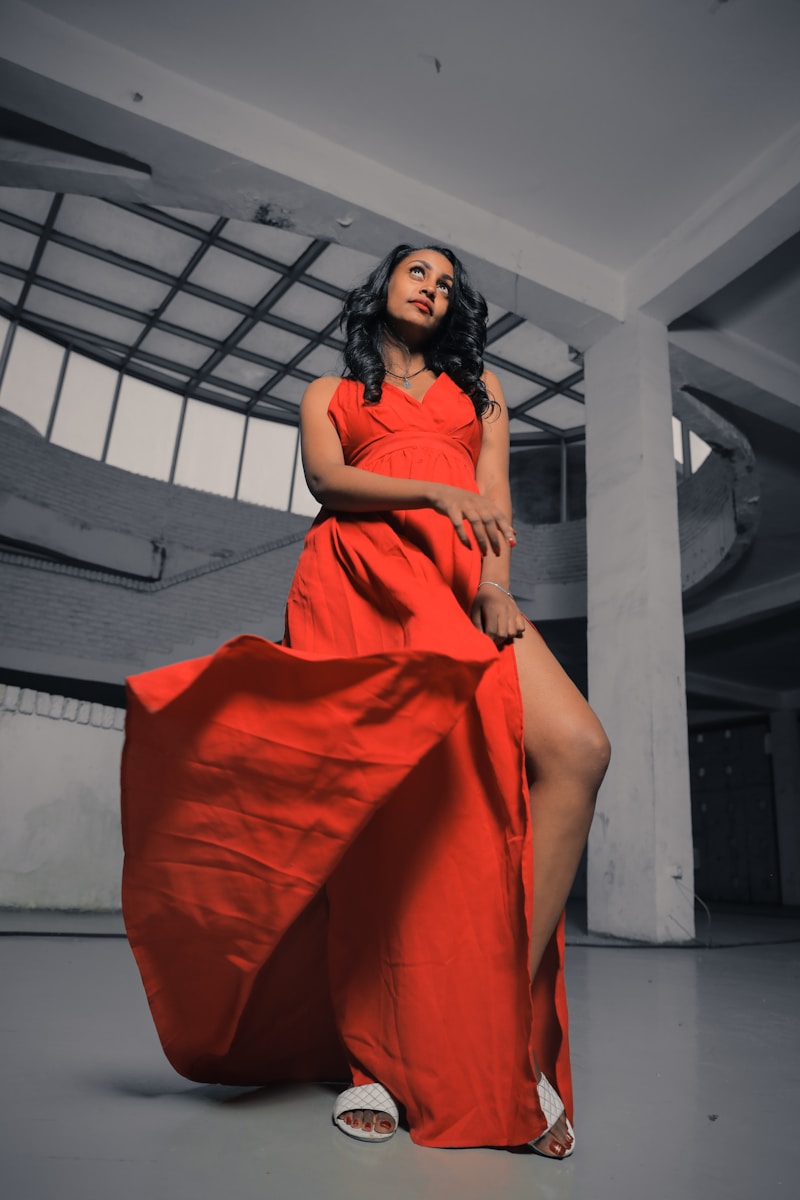
Fashion has a thousand dialects: the eclectic layering of street style, the romantic softness of bohemian looks, the drama of avant-garde couture. Yet one dialect never loses fluency—the language of streamlined beauty. Outfits defined by sleek lines, sharp silhouettes, and fluid movement whisper rather than shout, but their quiet confidence resonates powerfully.
This essay explores how sleek, streamlined dressing has become a timeless pillar of fashion. We’ll trace its roots, analyze why minimalism continues to feel relevant in a world of maximalist noise, and show how sleek lines embody beauty through restraint, structure, and subtle elegance.
The Enduring Appeal of Sleek Lines
Streamlined dressing is about more than wearing clothes that “fit well.” It’s about embracing precision and balance. Clean silhouettes offer clarity in a visual world often cluttered with excess. There’s a reason designers like Calvin Klein, Phoebe Philo (during her Céline years), and Jil Sander are revered: their mastery of pared-back lines created statements more enduring than trends.
The appeal lies in how sleek lines respect the body without overwhelming it. A sharply tailored blazer, a fluid column dress, or trousers that elongate the leg embody control and ease simultaneously. They radiate confidence, not because they scream for attention, but because they command it quietly.
A Historical Thread: From Couture to Minimalism
Streamlined beauty has been reinterpreted through decades, always tied to broader cultural shifts.
1920s–30s: Designers like Coco Chanel simplified women’s wardrobes, replacing corsets with streamlined silhouettes that prioritized movement.
1960s: Courrèges and Cardin played with space-age minimalism—sleek lines that mirrored modern architecture.
1990s: The minimalism era, led by designers such as Jil Sander and Calvin Klein, redefined chic as clean, muted, and powerfully simple.
Today’s streamlined dressing draws from all these eras. It celebrates the geometry of tailoring while embracing the fluidity of modern fabrics.
What Defines Streamlined Outfits?
While sleek dressing can take many forms, certain elements remain constant:
- Clean Silhouettes
The foundation of streamlined beauty lies in cut. Dresses that skim rather than cling, jackets with structured shoulders, trousers that fall in one uninterrupted line.
- Monochrome or Minimal Palettes
Streamlined outfits often lean on neutral tones—black, white, gray, beige, navy. But bold color can also work if kept singular, allowing the silhouette to stay central.
- Minimal Detailing
Zippers, buttons, and embellishments are present only when functional. The absence of distraction lets the form shine.
- Precision Tailoring
Streamlined beauty depends on clothing that’s engineered. Sharp seams, exact hems, and thoughtful drape separate sleek from sloppy.
- Fluid Fabrics
Wool crepe, silk, and high-quality cottons enhance sleekness. They move with the body without adding bulk.
The Psychology of Sleek Dressing
Streamlined outfits are powerful because they project discipline and intention. They suggest that the wearer is in control of their choices, unburdened by frivolity. In boardrooms, sleek lines communicate authority. In evening settings, they signal sophistication.
Yet they also elevate the wearer’s mood. When clothes fall just right—when a blazer frames the shoulders or a dress elongates the figure—confidence becomes instinctive. The sleek look doesn’t just impress others; it transforms self-perception.
Sleek Lines in Everyday Life
One misconception is that sleek, streamlined fashion is only for high-powered executives or minimalist devotees. In reality, sleek lines adapt beautifully across contexts:
Workwear: A fitted blazer over slim trousers creates professionalism without stiffness.
Casual: A monochrome knit dress with clean sneakers offers comfort without losing sharpness.
Evening: A column gown with minimal jewelry radiates elegance.
Street Style: Wide-leg tailored pants with a tucked-in tee prove streamlined can be laid-back.
The versatility lies in the clarity of shape. Once the silhouette is strong, the outfit requires little else.
Accessories: Supporting Cast, Not the Star
Accessories in streamlined dressing act as punctuation rather than paragraphs. Think:
A structured leather tote rather than a heavily embellished bag.
Sleek pumps or loafers instead of statement shoes.
Minimalist jewelry—thin gold hoops, a simple chain, or a classic watch.
These choices reinforce the clean aesthetic, proving that restraint can be just as striking as extravagance.
Streamlined Beauty Across Genders
What makes sleek dressing particularly enduring is its genderless appeal.
Menswear: Streamlined suits in monochrome, slim-cut coats, and turtlenecks are timelessly chic.
Womenswear: Pencil skirts, slip dresses, and tailored jumpsuits embody the same philosophy.
Gender-neutral fashion: Oversized blazers, straight-leg trousers, and minimal layering highlight how sleek lines transcend traditional boundaries.
The streamlined aesthetic prioritizes form and flow over gendered detailing.
Cultural Influences and Architecture
Interestingly, streamlined fashion often mirrors architecture. Skyscrapers, modernist interiors, and Bauhaus principles all influence how designers think about form. Just as a sleek glass building conveys strength through simplicity, a streamlined outfit embodies elegance through clarity.
This connection to design culture elevates streamlined dressing beyond fashion—it becomes part of a broader artistic language.
Mistakes to Avoid
Sleek dressing may seem simple, but it requires attention. Some common missteps include:
Poor Fit – Streamlined lines collapse if tailoring is off. Hem lengths and shoulder fits must be precise.
Over-accessorizing – Cluttered add-ons disrupt the clean flow.
Cheap Fabrics – Streamlined designs depend on fabric quality. Thin or poorly structured materials undermine the look.
Ignoring Proportion – Sleek doesn’t mean skin-tight. Streamlined beauty often requires balance—slim with fluid, structured with soft.
Why Sleek Lines Endure Amid Trends
Trends come and go—oversized maximalism one year, Y2K sparkle the next. Yet sleek, streamlined dressing never disappears. Why? Because it functions like a universal language. A well-cut blazer or a little black dress can cross decades and cultures without looking dated.
Streamlined beauty also adapts easily. Designers can reinterpret it with new fabrics, sustainable practices, or contemporary details, but the essence remains. It’s a fashion constant in a sea of change.
The Sustainable Angle
Sleek dressing aligns with sustainability because it promotes longevity. Instead of seasonal gimmicks, streamlined pieces can be worn for years. A classic trench, a tailored trouser, or a slip dress doesn’t expire. By investing in timeless, well-made garments, wearers reduce waste while building wardrobes that outlast trends.
Streamlined Icons
Certain figures embody streamlined beauty so distinctly they’ve become style touchstones:
Audrey Hepburn – Her Givenchy black dress in Breakfast at Tiffany’s remains the epitome of sleek elegance.
Steve Jobs – His minimalist black turtleneck and jeans became a uniform, proof that sleek lines can shape identity.
Victoria Beckham – Known for tailored dresses and sharp silhouettes that project chic professionalism.
Phoebe Philo’s Céline Woman – An archetype of intellectual minimalism, defining streamlined chic for a generation.
These icons show that streamlined beauty transcends gender, industry, and even formality.
The Future of Streamlined Dressing
As fashion leans toward hybrid lifestyles—part office, part home, part social—the streamlined aesthetic will continue to adapt. We’ll see softer tailoring, stretch fabrics, and modular designs that merge sharp lines with comfort.
Technology will also play a role: 3D-printed fabrics, sustainable textiles, and digital tailoring could refine the precision of sleek dressing even further. The future is likely sleek but flexible—a streamlined wardrobe that moves seamlessly between roles and environments.