

Fashion has always been a language, but prints are its exclamation points. They are the daring punctuation marks that transform simple sentences into powerful statements. While neutral tones and minimalism dominate many wardrobes, bold prints remind us that clothing is not only about covering the body but also about expressing the self. In recent years, the rise of vibrant patterns on everyday outfits has blurred the line between casual wear and statement dressing, elevating even the simplest garments into something remarkable.
Why do bold prints continue to captivate us? The answer lies not only in their aesthetic energy but also in their ability to communicate confidence, individuality, and cultural storytelling. To wear a bold print is to refuse invisibility—it is to insist that everyday life can also be a canvas for art.
The Psychology of Bold Prints
Psychologists often note that what we wear influences how we feel and how others perceive us. Neutral tones, while safe, can sometimes fade into the background. Bold prints, on the other hand, activate attention. Bright florals, geometric shapes, or animal motifs trigger visual stimulation and convey liveliness.
When someone puts on a patterned dress or a printed button-down shirt, they don’t just look different—they feel different. Prints carry an element of playfulness, reminding us that fashion doesn’t always have to be serious. They invite conversation, spark joy, and create a sense of empowerment. Bold prints are wearable confidence boosters.
From Runway to Sidewalk
Prints have long ruled the runway, but what makes today unique is their migration into everyday outfits. No longer confined to resort wear or special occasions, bold prints now appear on grocery runs, in office settings, and on café strolls.
Designers like Dries Van Noten and Versace made prints their signature on the runway, layering clashing motifs and kaleidoscopic palettes. But their influence trickles down into fast fashion, thrift stores, and streetwear brands, where prints become accessible to anyone willing to experiment. A floral bomber jacket or a zebra-print skirt paired with sneakers can now be seen as everyday attire rather than daring costume.
This democratization of prints is part of a broader shift in fashion: the idea that style is not reserved for the elite. Bold prints bring runway drama into daily life, elevating the ordinary into the extraordinary.
Prints as Storytelling
Every print tells a story. Florals may whisper of spring gardens and renewal, while animal prints evoke untamed strength. Paisley patterns carry histories of Persian and Indian textile traditions; plaid recalls both Scottish heritage and punk rebellion.
By wearing prints, individuals tap into these cultural narratives, consciously or not. A Hawaiian shirt, once stereotyped as kitsch, now carries associations of relaxation, freedom, and even ironic coolness. African wax prints, with their vivid colors and symbolic motifs, speak of heritage, pride, and resilience. In each case, prints are not just decorative—they are semiotic codes embedded into fabric.
This storytelling power is what makes prints transformative. They turn clothes into messages, and wearers into messengers.
Balancing Boldness with Everyday Wear
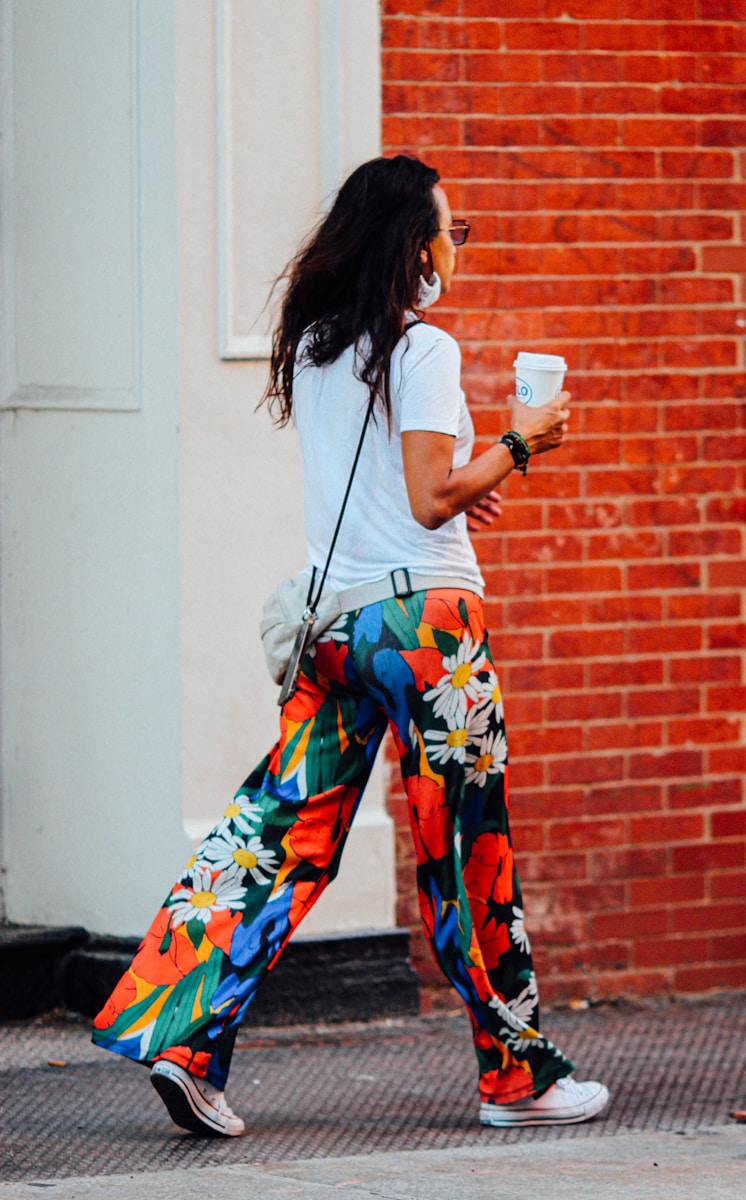
One of the biggest misconceptions about prints is that they are “too much” for everyday use. In reality, prints can be integrated seamlessly when styled with intention. Pairing a bold patterned skirt with a simple white tee, for example, allows the print to shine without overwhelming. A striped blazer over neutral trousers instantly sharpens an office look.
Layering prints is another technique, though it requires confidence. Mixing polka dots with florals or stripes with animal motifs creates visual energy, but balance is key. The trick lies in color coordination—keeping tones within the same family ensures harmony even in contrast.
What elevates prints in everyday wear is not extravagance but the ability to let them punctuate an outfit, like highlights in a conversation.
Prints as Acts of Confidence
Wearing bold prints is an act of self-assurance. Unlike neutral tones, which blend in, prints demand to be noticed. They say: Here I am, and I am not afraid of visibility. This makes them particularly powerful for people seeking to express individuality in environments where conformity reigns.
In offices dominated by gray suits, a printed blouse or tie becomes an act of subtle rebellion. On city streets, where trends move fast, a patterned jacket sets the wearer apart. Even at home, during the rise of remote work, printed tops on video calls became a way to communicate energy and presence through the screen.
Prints, then, are not just style—they are strategy. They allow us to shape how we are perceived and to affirm how we see ourselves.
The Cultural Resurgence of Prints
The renewed embrace of prints also reflects a cultural shift. Minimalism, with its monochrome palettes and sleek silhouettes, has dominated fashion for over a decade. While still relevant, many people now crave color, texture, and vibrancy. Prints satisfy this craving by reintroducing joy into wardrobes that often lean toward the restrained.
Globalization plays a role too. As cultures intermingle, prints from different traditions find new audiences. Japanese kimonos inspire contemporary wrap dresses; Indigenous beadwork motifs inform modern graphic tees. Prints become a medium for cultural appreciation, though this also raises questions of appropriation. The key is respect—acknowledging origins while celebrating their beauty.
Sustainability and Bold Prints
Interestingly, bold prints align naturally with sustainability. Because prints are distinctive, they resist disposability. A printed vintage dress or patterned blazer often feels timeless, resisting the cycle of fast fashion. People tend to hold on to bold printed garments longer because they feel special, like statement pieces rather than basics.
Thrifting has also revived interest in retro prints—from psychedelic 70s swirls to 80s neon graphics. These garments carry nostalgia and uniqueness that fast-fashion replicas can’t replicate. In this sense, prints encourage more conscious consumption, inviting us to treasure pieces instead of discarding them.
Everyday Icons of Print
Cultural icons have long used prints to define their style. Think of Prince in his animal-print ensembles, Diana Ross in dazzling florals, or modern-day figures like Beyoncé embracing vibrant African wax patterns. Each demonstrates that prints are not mere decoration—they are declarations of presence and artistry.
But chic print power isn’t limited to celebrities. Everyday people wield it too. The teacher who wears patterned scarves, the barista in a checkered shirt, the grandmother with floral dresses—all embody how prints elevate daily life. Prints democratize fashion by making style accessible to everyone willing to embrace a little boldness.
The Future of Prints in Everyday Fashion
Looking ahead, prints are likely to evolve alongside technology and culture. Digital tools now allow designers to create patterns that shift and move, incorporating augmented reality into fabrics. Meanwhile, younger generations continue to embrace maximalism, using prints to break away from the uniformity of minimalist aesthetics.
As workplaces grow more casual and hybrid lifestyles dominate, prints will likely cement themselves as staples rather than occasional indulgences. The bold shirt on a Zoom call, the patterned jacket for a weekend outing, the printed sneakers for a casual commute—all show how prints are redefining everyday style.