


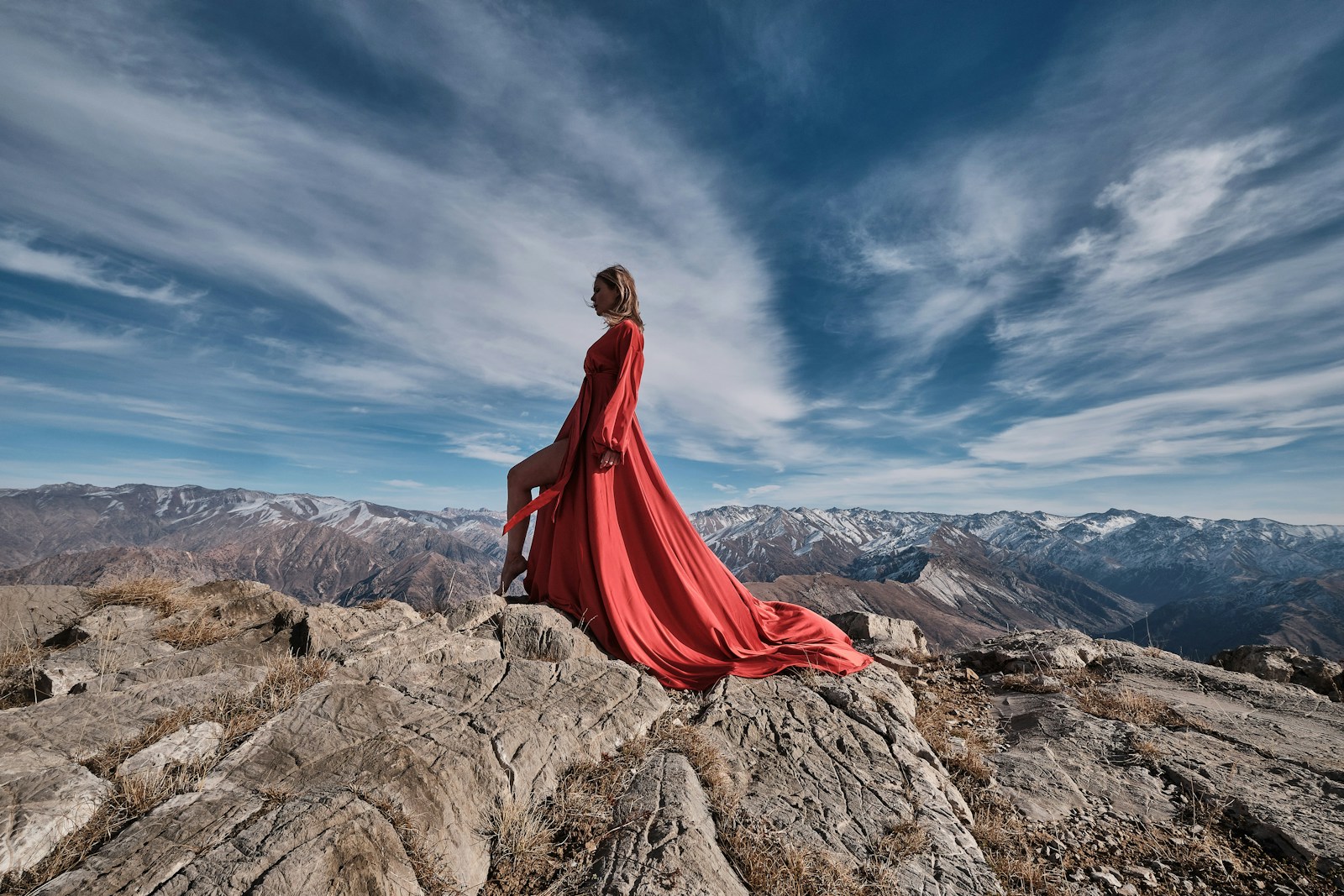
Fashion has always been a dialogue between fantasy and reality. The catwalk, with its theatrical presentations and avant-garde designs, often seems far removed from the daily act of getting dressed. Yet runway shows have a way of distilling ideas that eventually filter into closets across the world. One of the most enduring of these ideas is the power of sleek lines—streamlined silhouettes that communicate elegance, precision, and contemporary cool.
From the angular tailoring of couture suits to the minimalist drape of a slip dress, sleek lines embody a timeless sensibility. They carry the discipline of architecture, the fluidity of art, and the psychological assurance of simplicity. But what makes sleek lines so compelling? And why do they transition so effortlessly from catwalks to the wardrobes of everyday people?
This essay explores the aesthetic and cultural resonance of sleek lines in fashion, tracing their presence on runways, their adoption in real-world style, and their psychological power in shaping how individuals feel and present themselves.
The Allure of Sleekness
At its core, sleekness suggests refinement. It is the opposite of clutter or chaos. In design theory, clean lines are associated with clarity, balance, and sophistication. Just as modern architecture values straight planes and open spaces, fashion often turns to sleek lines to communicate order and elegance.
On the catwalk, sleek silhouettes often read as futuristic, even visionary. Designers employ them to strip away excess, leaving behind distilled forms that highlight the human figure without overwhelming it. These designs capture attention not through embellishment but through restraint. In an industry often associated with maximalism, sleekness commands its own kind of quiet power.
Historical Roots of Streamlined Fashion
Sleek lines are not new; they have reappeared throughout fashion history in cycles of restraint following extravagance. In the 1920s, the flapper dress rejected heavy Victorian ornamentation with its straight, drop-waist cut. In the 1960s, designers like André Courrèges and Pierre Cardin introduced space-age minimalism, using clean geometric shapes to reflect optimism about the future.
Even in the 1990s, sleekness defined much of the minimalist movement, as designers such as Calvin Klein and Jil Sander embraced pared-down elegance. Each of these eras demonstrated how streamlined fashion can serve as cultural reset—offering calm after opulence, clarity after confusion.
Today’s fascination with sleek lines continues this legacy, reflecting both a global appetite for simplicity in a noisy world and the enduring appeal of form that feels timeless.
Sleek Lines on the Runway
The catwalk is where sleekness often takes its boldest form. Designers exaggerate silhouettes to make visual impact, but the underlying idea—clarity of line—remains adaptable for everyday wear.
Think of the sharply tailored blazers at Balenciaga, the fluid column gowns at Givenchy, or the precise cuts of Victoria Beckham’s collections. These looks showcase how designers harness sleekness to project power and poise. Even when the fabrics are luxurious or the styling dramatic, the foundation of the look is simplicity in line and structure.
Runway sleekness also often pushes boundaries. Designers may elongate proportions, experiment with asymmetry, or play with architectural draping. These elements inspire but also challenge. When translated to ready-to-wear, they are softened into practical pieces that retain the essence of sleek design while accommodating daily movement and comfort.
Closet Adaptations: From Fantasy to Everyday
The genius of sleek lines is their versatility. A sharply tailored trouser, a pencil skirt, or a structured coat can seamlessly transition from professional settings to casual evenings, depending on styling. Unlike heavily embellished pieces, sleek garments resist obsolescence. They can be worn repeatedly without losing relevance.
For instance, a longline blazer inspired by runway tailoring can pair with jeans and sneakers for daytime ease or with heels and silk trousers for evening polish. A slip dress, a 1990s icon revived by many designers, embodies sleek minimalism yet adapts effortlessly with layering—under a chunky sweater in winter or with sandals in summer.
These pieces illustrate why sleek lines thrive in closets: they serve as canvases, adaptable foundations upon which personal style can be built.
The Psychology of Sleek Fashion
Clothing shapes not only appearance but also mindset. Sleek lines, in particular, influence psychology in subtle yet powerful ways. When wearing streamlined silhouettes, individuals often report feeling more composed, confident, and in control.
This phenomenon aligns with “enclothed cognition,” the idea that clothing affects cognitive processes and behavior. Sleek clothing eliminates distraction and focuses attention on the wearer’s presence. The absence of excess detail suggests decisiveness, projecting authority without aggression.
Minimalist sleekness also communicates self-assurance. To wear a garment without embellishment is to trust that simplicity is enough. In a culture that often equates adornment with value, this confidence is both radical and empowering.
Cultural Resonance: Sleekness as Modernity
Beyond personal psychology, sleek lines resonate with broader cultural values. In many ways, they mirror modern ideals of efficiency, speed, and innovation. Sleek cars, sleek phones, sleek buildings—all celebrate form streamlined for purpose. Fashion participates in this same aesthetic language.
Urban environments, in particular, amplify the appeal of sleek fashion. In bustling cities where people move quickly between professional, social, and personal roles, sleek clothing offers adaptability and polish. It signals readiness for the pace of modern life while maintaining a sense of control.
Moreover, sleek lines align with sustainability trends. Unlike heavily trend-driven garments, sleek pieces are designed to endure. Their timeless simplicity makes them resistant to the whims of seasonal fashion, encouraging longer wear and conscious consumption.
Gender, Power, and Sleek Style
The relationship between sleek lines and gender expression is also significant. Power dressing, once associated with boxy suits in the 1980s, has evolved into sleeker silhouettes that convey strength without sacrificing fluidity. For women, sleek tailoring allows authority without the need to mimic masculinity. For men, slim cuts and minimalist lines allow elegance that transcends rigid masculinity.
Nonbinary and gender-fluid fashion also thrives on sleekness. Its neutrality in form and emphasis on clean structure allow it to transcend traditional categories, offering universality without erasing individuality. Thus, sleek lines become a tool for inclusivity—an aesthetic language that adapts across gender identities.
Streetwear Meets Sleekness
Interestingly, sleek design principles have also influenced streetwear. While street style is often associated with oversized or layered looks, many contemporary brands merge casual comfort with minimalist precision. Think monochromatic tracksuits with sharp tailoring or sneakers with clean, architectural silhouettes.
This merging of sleekness with casualwear underscores its universality. Whether on high-fashion runways or sidewalks, sleek lines signal intentionality—a choice to present oneself with clarity and purpose.
The Timelessness of Sleek Accessories
Sleekness is not limited to clothing; it extends to accessories. Minimalist jewelry, structured handbags, and geometric eyewear echo the same principles of streamlined design. These accessories complete the look without overwhelming it, reinforcing the idea that less can indeed be more.
Even in footwear, sleek lines dominate. Pointed-toe heels, loafers, and minimalist sneakers all embody restraint while offering versatility. Accessories, much like garments, thrive when their design distills form into its most essential expression.
Future Directions: Tech and Sleek Fashion
Looking ahead, technology may further enhance the sleek fashion aesthetic. Smart textiles designed for adaptability, stain resistance, or temperature regulation naturally lend themselves to minimalist design. Function-driven clothing pairs best with streamlined forms, where technology becomes invisible yet integral.
As digital influence grows, sleekness may also gain renewed prominence as a counterbalance to the overwhelming sensory overload of screens and media. Just as minimalism in home design offers calm in cluttered times, sleek fashion may continue to provide visual relief and focus amidst cultural noise.