


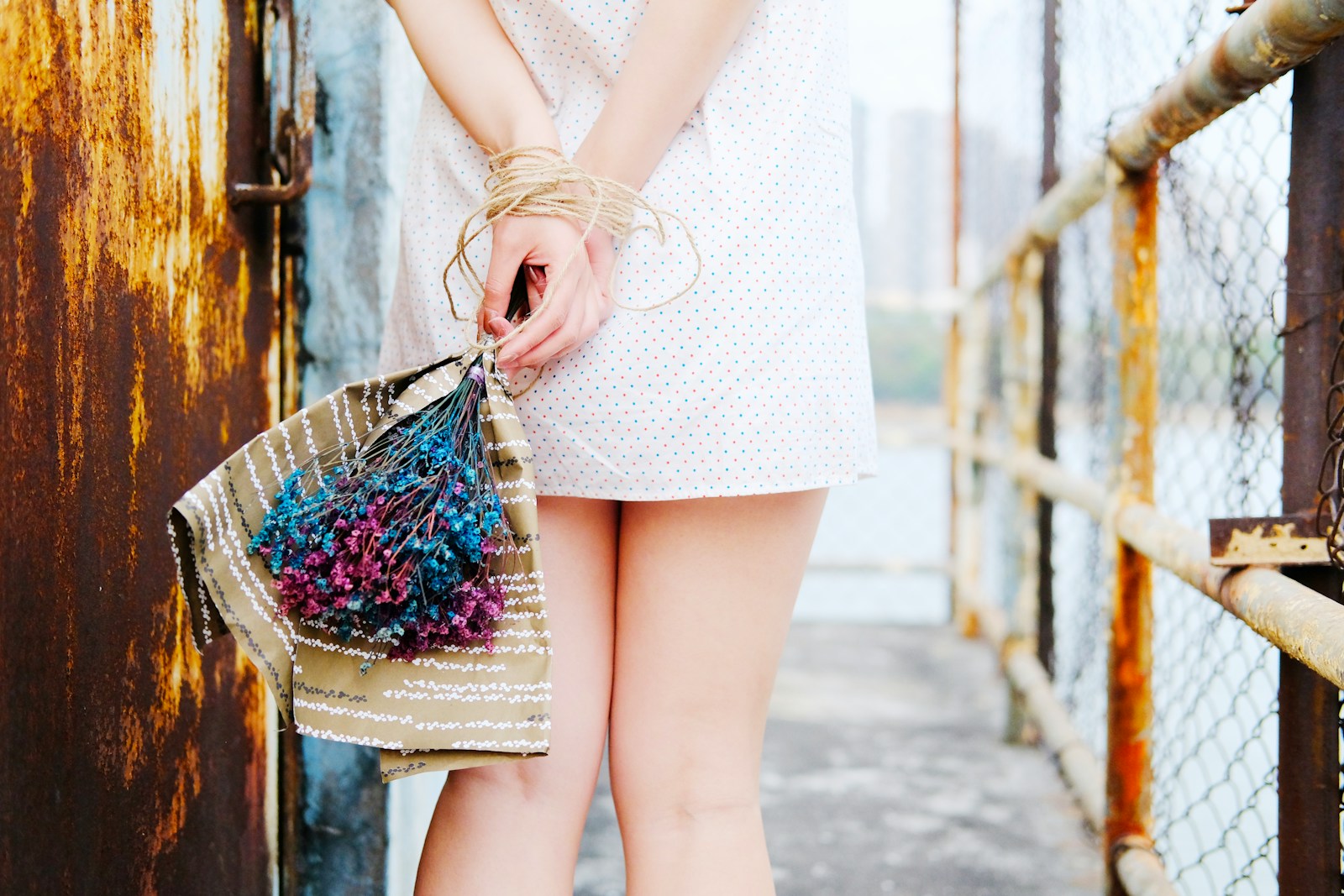
Fashion and culture often circle back to what once was, but every return carries a twist. Today’s style landscape is alive with echoes of two distinct yet strangely complementary decades: the free-spirited 1970s and the bold, rule-breaking 1990s. From bell-bottom denim and disco shimmer to grunge flannels and minimalist slip dresses, these eras collide in wardrobes, music playlists, and design aesthetics. The result is not a simple copy of the past, but a reinvention of retro moods—a fresh remix for the 21st century.
Why the 70s and 90s Speak to Us Now
To understand why these two decades resonate today, one has to look at their cultural DNA. The 70s were about liberation: gender norms were challenged, music experimented with funk, soul, and disco, and fashion celebrated excess and experimentation. In contrast, the 90s were a reactionary era, marked by rebellion against consumerism and the polished aesthetic of the 80s. Minimalism, grunge, and streetwear emerged as symbols of authenticity.
Both decades speak to our current moment. In an age of social media overload and economic uncertainty, people crave both the escapist glamour of the 70s and the unpolished honesty of the 90s. Together, they offer freedom, self-expression, and rebellion—qualities that feel more relevant than ever.
The 70s: Vibes of Free Spirit and Eclectic Glam
When we think of the 70s, certain images leap out: flowy bohemian dresses, suede fringe jackets, velvet flares, platform shoes, and psychedelic prints. The decade was eclectic because it was restless—hippie idealism merged with disco excess, punk culture began to simmer, and androgynous silhouettes took center stage.
Key style notes:
Bohemian Chic: Maxi dresses, wide-brim hats, crochet tops, and earthy jewelry captured the back-to-nature mood.
Disco Glam: Sequins, metallic fabrics, halter tops, and dramatic silhouettes lit up the night.
Tailored Cool: Flared trousers, blazers with sharp lapels, and silky shirts gave polish to everyday wear.
At its heart, the 70s represented experimentation. Outfits were layered with personality, not designed to fit one strict code.
The 90s: Feels of Grunge and Minimalist Cool
Fast forward two decades and the 90s presented a sharp contrast. Instead of glitter, we saw grit. Instead of psychedelic excess, there was stripped-back minimalism or rebellious chaos. The era’s icons—think Kurt Cobain, Kate Moss, Aaliyah—each represented different moods of authenticity.
Key style notes:
Grunge: Flannel shirts, ripped jeans, combat boots, and oversized cardigans.
Minimalism: Slip dresses, neutral palettes, clean tailoring, and subtle gold jewelry.
Streetwear: Oversized hoodies, branded sneakers, tracksuits, and logo caps.
The 90s asked you to either lean into nonchalance or brand-driven edge. Either way, the unifying thread was a rejection of gloss in favor of rawness.
The Reinvention: 70s Meets 90s Today
What makes today exciting is how these aesthetics coexist. Fashion no longer belongs to strict categories; people mix vintage finds with contemporary labels, and digital culture accelerates the remix. Here’s how the retro mashup shows up in modern wardrobes:
Flared Denim with Crop Tops – The 70s silhouette of flares pairs with 90s-inspired crop tops for a balance of free spirit and street-ready boldness.
Slip Dresses with Platforms – A silky minimalist slip from the 90s gets grounded with chunky 70s-inspired platforms.
Fringe Meets Grunge – A suede fringe jacket layered over plaid nods to both decades at once.
Earth Tones with Streetwear Cuts – The warm palette of the 70s adapted into boxy hoodies and cargo pants, connecting vintage color stories with 90s casual shapes.
Disco Sparkle with Minimalist Restraint – Sequined skirts styled with plain white tees or sneakers reinvent the glamour in a modern way.
These hybrids keep fashion from feeling like costume play; instead, they create wearable nostalgia with a forward-looking twist.
Beyond Clothes: Retro in Music and Design
The fusion doesn’t stop at fashion. Music and design also reflect this retro mood. Vinyl records have resurged alongside digital streaming, mixing 70s analog romance with 90s mixtape culture. Interior design borrows rattan furniture and bold patterns from the 70s while layering in minimalist neutral tones that recall the 90s.
Even tech aesthetics show the blend—retro fonts, grainy filters, and lo-fi edits populate TikTok and Instagram, evoking disposable cameras of the 90s and kaleidoscopic visuals of the 70s. Nostalgia becomes not just about style, but about how we experience culture itself.
Why We Remix Instead of Repeat
The critical distinction between retro revival and retro reinvention lies in context. In the 70s, bell-bottoms symbolized liberation from post-war conservatism; in the 90s, flannel symbolized rebellion against consumerism. Today, when someone pairs flares with a crop top, the symbolism isn’t political in the same way—it’s playful, aesthetic, and self-directed.
People remix because they want the vibe, not the exact history. It’s about tapping into the mood of freedom, rebellion, or authenticity without copying it wholesale. That’s why this retro mood feels fresh rather than frozen in time.
Icons of the Retro-Modern Era
Modern celebrities and influencers embody this fusion naturally. Harry Styles channels 70s glam in wide-legged trousers and flamboyant prints, while simultaneously borrowing 90s casual layering. Zendaya shifts easily from minimalist 90s silhouettes to disco-inspired gowns. Streetwear brands reinterpret 90s baggy fits with 70s colors and textures. These cultural figures reinforce that retro moods can be adaptable, unbound by nostalgia’s limits.
The Psychology of Retro Appeal
Why are people so drawn to retro aesthetics now? Partly it’s the comfort of nostalgia—the longing for eras many didn’t even live through but perceive as freer, simpler, or more authentic. It’s also about the cycle of trends, where fashion revives roughly every 20–30 years. But more importantly, retro reinvention gives people tools to express themselves in ways that break away from the homogeneity of fast fashion.
Wearing a crochet top with baggy cargo pants says: “I belong to no single decade. I write my own timeline.”
From Runway to Sidewalk
Designers have fully embraced this retro mashup. Gucci has leaned into 70s tailoring while Balenciaga resurrects oversized 90s grunge. Meanwhile, thrift stores and resale platforms like Depop and Poshmark have made vintage pieces accessible, democratizing retro fashion in ways unavailable decades ago. On city streets, you’ll see people layering secondhand 70s blazers with 90s sneakers, creating looks that feel distinctly personal.
The sidewalk becomes the true runway—where individuals show how retro moods can reinvent themselves daily.