


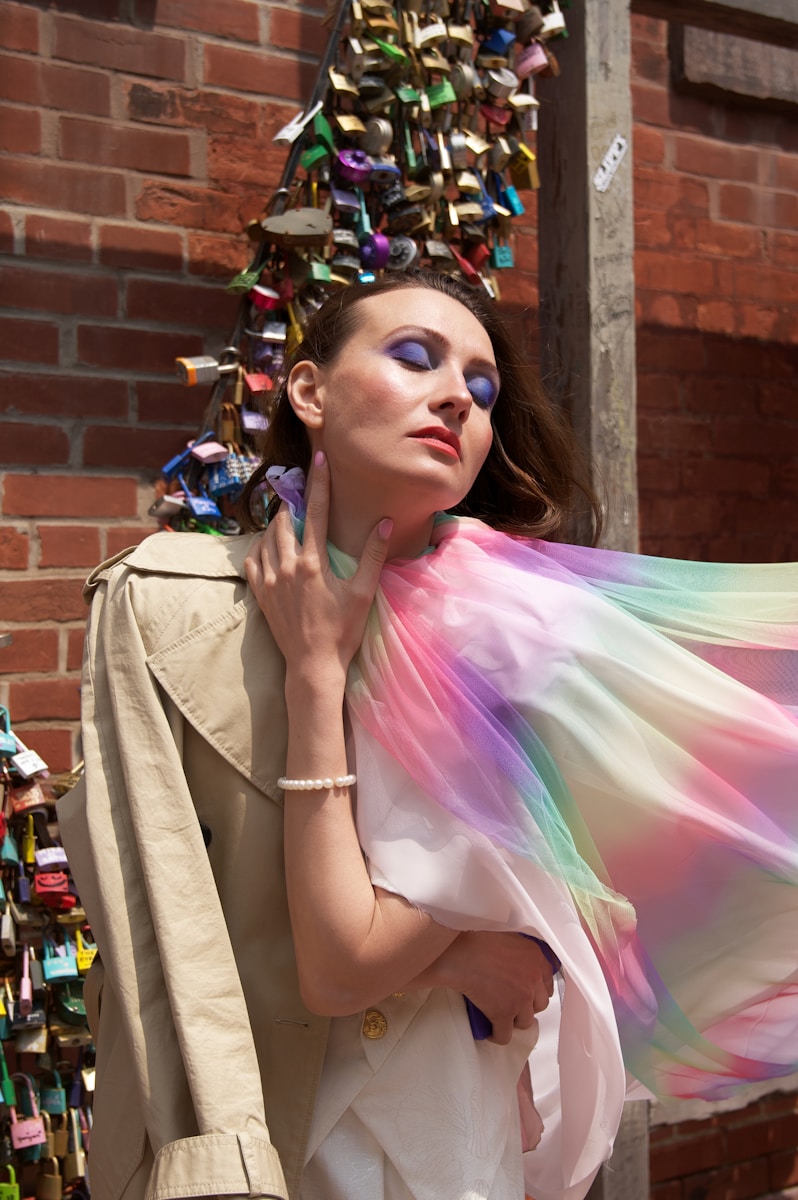
Fashion is often described as a visual language, a field where color, silhouette, and proportion communicate moods and identities. But vision alone does not explain why some garments feel more captivating than others. Beneath the surface, literally and figuratively, lies one of fashion’s most powerful elements: texture. In recent years, the sensual appeal of luxe texture has emerged as a defining force in contemporary style. From the buttery smoothness of cashmere to the gleam of silk, from the plush depth of velvet to the tactile intrigue of boucle, texture has become more than an embellishment—it has become the soul of luxury.
This essay explores why textures hold such sway over our emotions, how designers harness them to create allure, and why the modern appetite for tactility reflects broader cultural shifts in how we experience beauty and pleasure.
Texture as Sensation
Clothing is not only something we see—it is something we feel. The human body has an intimate relationship with fabric; every outfit becomes a second skin, shaping our experience of the world through touch. This is where luxe textures create their magic. Unlike flat or synthetic surfaces, luxurious fabrics engage the senses. The soft glide of silk across the skin, the cocooning warmth of alpaca wool, or the smooth firmness of fine leather awakens an awareness of the body itself.
This physical pleasure explains why texture is often linked with sensuality. When we think of seduction in fashion, it is not only about form-fitting silhouettes but also about tactile delight. A velvet dress does not simply hug curves; it invites touch, both by the wearer and the observer. A sequined gown catches light, but it also crackles faintly under fingertips, offering a multisensory performance. In this way, luxe textures transform garments from mere coverings into intimate experiences.
A History of Opulence
The fascination with texture has deep historical roots. Throughout history, textiles have symbolized wealth, status, and allure. In ancient Egypt, fine linen signified purity and sophistication. In the Byzantine Empire, heavy brocades and gilded fabrics were prized as symbols of imperial grandeur. During the Renaissance, velvet was a coveted luxury reserved for nobility, its dense pile reflecting both material richness and artistic achievement.
The Industrial Revolution shifted access to textiles, but even in mass production, the allure of certain fabrics never waned. Cashmere shawls, silk dresses, and lace-trimmed garments continued to command attention for their sensuality and craftsmanship. Today, the luxury fashion industry continues this lineage, using texture as a marker of refinement and exclusivity. Luxe fabrics carry not only physical pleasure but also centuries of cultural associations with desire, indulgence, and status.
Modern Designers and the Texture Renaissance
In contemporary fashion, the emphasis on luxe textures has intensified. Designers understand that in an age of visual overload—where social media floods our eyes with images every second—the tactile element offers something deeper, more personal, and harder to replicate.
Brands like Prada and Fendi have reinvigorated classics like shearling and mohair, transforming them into playful yet indulgent staples. Balmain and Alexander McQueen frequently experiment with embellishments, turning surfaces into intricate topographies of beads, sequins, or embroidery. Meanwhile, labels like The Row and Loro Piana strip luxury back to its essence, highlighting the tactile richness of pure wool, cashmere, and silk without heavy ornamentation.
The resurgence of faux fur, recycled fabrics, and plant-based leathers also demonstrates how innovation is expanding texture’s possibilities. These modern alternatives appeal to consumers who want to experience the sensuality of luxe materials while aligning with ethical and environmental values.
Psychology of Touch: Why Texture Matters
Why does texture captivate us so deeply? Psychology offers clues. Humans are wired to respond to touch with heightened emotion. Neuroscience studies show that tactile sensations activate areas of the brain associated with pleasure and memory. A soft fabric can trigger comfort, nostalgia, or intimacy, while a rough surface can spark intrigue or even tension.
In fashion, luxe textures allow individuals to project moods through tactile choices. Smooth, glossy satin radiates sensual sophistication; structured tweed conveys tradition and authority; supple leather suggests power and edginess. Texture thus becomes a tool of communication, expressing character in ways that color or silhouette alone cannot achieve.
For the wearer, the relationship is even more intimate. Clothing that feels luxurious against the skin fosters confidence, comfort, and sensual awareness. It is no coincidence that many people save their most tactile garments—silk lingerie, velvet jackets, cashmere scarves—for occasions when they want to feel both elegant and empowered.
Luxe Texture as Resistance to Fast Fashion
The modern obsession with luxe textures can also be seen as a cultural response to fast fashion. In a world saturated with cheaply made garments designed for quick turnover, consumers increasingly crave quality, longevity, and authenticity. Luxe textures embody these values. They resist disposability, demanding care and appreciation.
Owning a well-crafted textured piece—whether a handwoven cashmere sweater or a structured leather bag—encourages mindfulness. Such pieces are investments, not impulses. They remind wearers of fashion’s potential to be meaningful rather than transient. In this sense, the sensual appeal of luxe texture is not only about indulgence but also about sustainability and respect for craftsmanship.
Texture in the Digital Age
Ironically, as fashion becomes more digital, the emphasis on texture has only grown stronger. Online shopping, virtual fittings, and digital fashion shows reduce the sensory experience to screens. This absence of touch has heightened the value of tangible textures when garments are finally encountered in person.
Designers have responded by amplifying texture in their collections, ensuring that fabrics read visually even through photographs and videos. Sequins shimmer, velvet absorbs light, and boucle creates visible depth—all of which translate well online while still delivering tactile richness in reality. The interplay between visual and physical appeal has made texture a cornerstone of modern fashion marketing.
Sensuality Beyond Gender
Another striking feature of the luxe texture revolution is its universality. While once associated mainly with womenswear, the embrace of texture now transcends gender. Men’s fashion has increasingly adopted plush fabrics, from velvet blazers to silk shirts, reimagining masculinity as something tactile and expressive. Gender-fluid and nonbinary fashion further dissolves barriers, celebrating textures as tools of personal identity rather than markers of tradition.
This inclusivity reflects a broader cultural recognition: sensuality is not limited to one gender or role. It is a human experience, and fashion, through texture, provides a medium for its exploration.
The Future of Luxe Texture
Looking forward, the future of luxe texture lies in both innovation and tradition. On one hand, high-tech fabrics will continue to expand possibilities: bioengineered silks, lab-grown leather, and textiles infused with smart technology will push texture into new realms. On the other, artisanal craftsmanship—handwoven textiles, heritage lace, and small-batch cashmere—will continue to thrive as consumers seek authenticity and human connection in their clothing.
The convergence of these two paths promises exciting developments. Imagine garments that not only look and feel luxurious but also respond dynamically to touch or adapt to temperature. Texture, in this sense, will remain a sensory frontier for fashion’s evolution.