


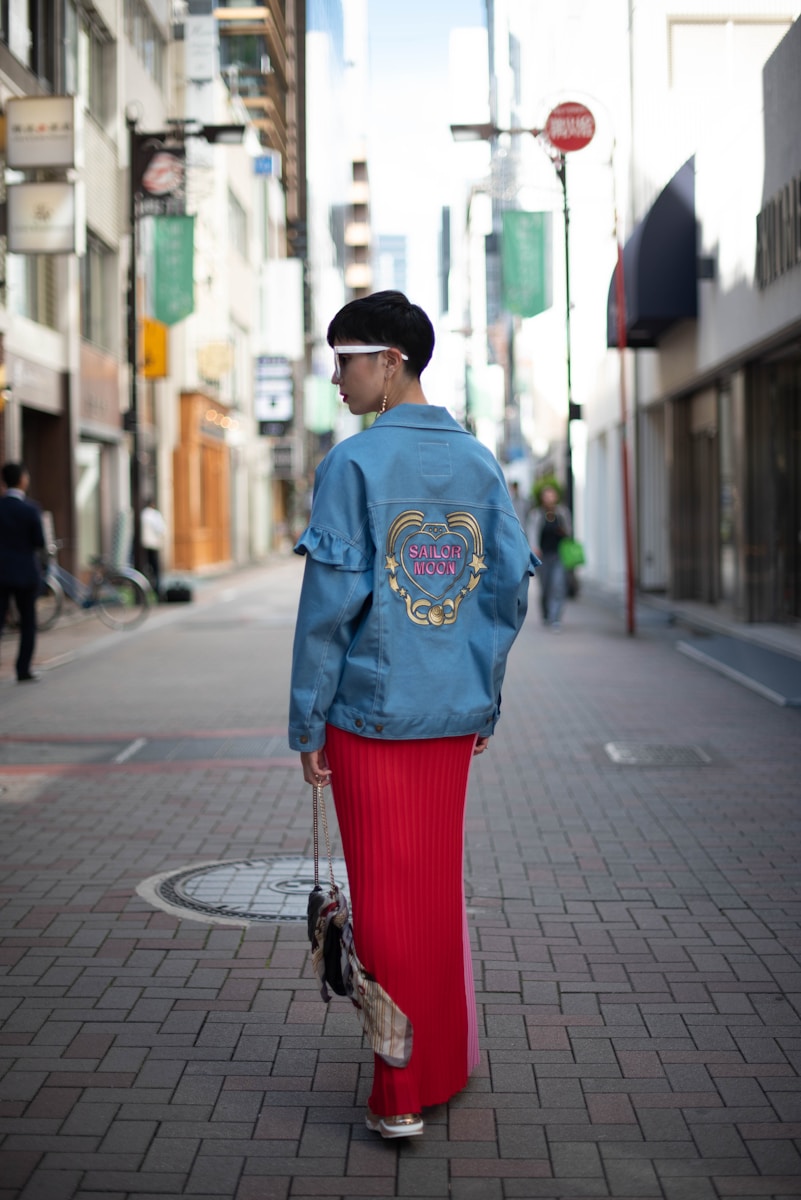
Fashion has always been more than fabric stitched into shape; it is a language through which individuals express identity, emotion, and even philosophy. In today’s world, where empowerment and elegance need not be opposites, the rise of the chic power aesthetic offers a compelling narrative. This style movement fuses two seemingly contrasting forces—grace and strength—into a wardrobe that communicates confidence, resilience, and sophistication all at once.
The chic power aesthetic is not merely about clothing choices; it is about redefining femininity, masculinity, and everything in between. It asks: What does it mean to be powerful yet refined? How can strength be softened without diminishing its presence? And how can grace convey authority without compromising approachability? This essay explores these questions, tracing the evolution of power dressing, the cultural significance of blending toughness with elegance, and how this aesthetic translates into everyday life.
The Evolution of Power Dressing
The concept of “power dressing” first rose to prominence in the 1970s and 1980s, when women began entering corporate spaces in greater numbers. Fashion became a tool for them to assert authority in male-dominated environments. Broad-shouldered blazers, tailored suits, and structured silhouettes projected seriousness and demanded respect.
However, the traditional power look often came at the cost of softness. Grace was subdued in favor of sharpness. Clothing was engineered to mimic masculine attire, signaling competence but rarely leaving room for individuality or fluidity.
Today, the chic power aesthetic represents an evolution of this history. It retains the tailored strength of earlier decades but allows room for grace—through fluid fabrics, softer color palettes, and details that celebrate individuality. In doing so, it rewrites the old rules of authority: power is no longer about erasing femininity or suppressing elegance, but about blending them harmoniously.
Grace and Strength: Not Opposites but Complements
The very name of this aesthetic emphasizes a profound truth: grace and strength are not contradictions, but complements. Strength without grace can appear rigid or domineering, while grace without strength risks being dismissed as delicate or ornamental. Together, they create balance.
Clothing that embodies this balance can take many forms. A sharply tailored pantsuit in pastel tones projects authority without intimidation. A silk blouse tucked into leather trousers juxtaposes fluidity with structure. Even accessories contribute: a bold cuff bracelet paired with understated earrings demonstrates how subtlety and force can coexist.
This interplay mirrors modern ideals of leadership. Today’s leaders, whether in business, art, or activism, are valued not just for decisiveness but also for empathy. The chic power aesthetic translates these qualities into visual language: firm yet approachable, strong yet graceful.
Fabric as Philosophy
Every fabric tells a story. Within the chic power aesthetic, textiles play a vital role in communicating the duality of grace and strength. Stiff wools, tweeds, and structured cottons create sharp lines and durability—symbols of resilience. In contrast, silks, chiffons, and satins bring fluidity, softness, and motion.
Designers often merge these textures to striking effect. A leather skirt balanced by a chiffon blouse embodies both toughness and delicacy. A trench coat cinched with a flowing belt exemplifies how form and function can merge. These pairings suggest that power is not about domination but about adaptability—the ability to navigate different terrains without losing one’s center.
The Psychology of Color
Color is another essential tool in the chic power aesthetic. Traditional power dressing often relied heavily on dark neutrals—navy, black, charcoal—chosen for their associations with authority and professionalism. While these tones still feature prominently, the modern iteration embraces a wider palette.
Soft blush pinks, creamy whites, and even pastels have entered the realm of power aesthetics, proving that grace does not diminish strength. Conversely, bold hues—emerald, crimson, royal blue—are used sparingly as accents, injecting confidence without overwhelming.
The psychology here is profound. A white suit, for instance, projects both clarity and dominance, while a pale lavender blouse under a charcoal blazer softens the impression without reducing authority. These color choices challenge old stereotypes: power does not have to be dark and severe; it can be radiant, gentle, and still commanding.
Beyond Gendered Boundaries
Another defining feature of the chic power aesthetic is its fluidity across gender lines. Traditional power dressing was rooted in a masculine template—women had to borrow the “uniform” of men to be taken seriously. Today, the aesthetic is no longer confined by binary expectations.
Men have embraced elegance in tailoring, experimenting with softer silhouettes, silk shirts, and jewelry once deemed feminine. Women freely incorporate combat boots, structured coats, and sharper cuts into their wardrobes. Nonbinary individuals find space in the chic power aesthetic precisely because it values fusion over rigid categories.
In this sense, the aesthetic reflects a broader cultural shift toward inclusivity and fluidity in identity. Grace and strength exist in everyone; the chic power aesthetic simply provides a visual language for expressing that truth.
Streetwear Meets Chic Power
Interestingly, the chic power aesthetic does not reside only in boardrooms or red carpets. It has filtered into streetwear, creating looks that feel both commanding and approachable. An oversized blazer paired with sneakers, or wide-leg trousers styled with a crop top, demonstrates how power aesthetics adapt to casual settings.
Streetwear thrives on accessibility, and when merged with chic power principles, it allows people to express authority in everyday life without sacrificing comfort. This hybrid approach democratizes the aesthetic, proving that it is not reserved for elites but available to anyone navigating the challenges of city life.
Cultural Icons of the Chic Power Aesthetic
Certain public figures have embodied this aesthetic, shaping how it is perceived globally. Politicians like Michelle Obama or Jacinda Ardern exemplify grace blended with strength, often opting for tailored dresses or structured jackets softened by color or detail. Celebrities like Zendaya and Tilda Swinton blur boundaries with androgynous, chic ensembles that command attention while remaining fluid.
Even in pop culture, the aesthetic shines. Characters in films and series often reflect this balance, shaping audience perceptions. Think of the commanding yet elegant wardrobes in The Devil Wears Prada or the quiet authority projected by minimalist, chic costuming in modern dramas.
Everyday Empowerment
For individuals, the chic power aesthetic is less about following a strict formula and more about cultivating intentionality. It asks: how do I want to feel today? Strong, graceful, or both?
Simple practices—like pairing structured trousers with a flowing blouse, or choosing bold jewelry with minimalist clothing—can shift self-perception. Clothing becomes not just a layer against weather but an affirmation of one’s inner state. On days when confidence wavers, donning an outfit that projects strength and grace can help embody those qualities.
In this way, the chic power aesthetic is not merely external. It influences how people carry themselves, how they are perceived, and even how they interact with the world.
The Future of the Chic Power Aesthetic
As fashion continues evolving, the chic power aesthetic is likely to expand in scope. With sustainability becoming a priority, future iterations may focus on durable yet elegant fabrics that embody responsibility alongside style. Technology, too, may play a role—smart textiles that adapt to environments while maintaining chic silhouettes.
Culturally, as societies move further toward inclusivity, the aesthetic may shed even more of its gendered roots, becoming a universal style language. Its core principles—balance, harmony, duality—are timeless. Grace and strength will always remain relevant, not just in clothing but in human experience.